Air-Launched Cruise Missiles (ALCMs) are advanced precision-guided weapons deployed from fighter jets, bombers, or multi-role aircraft to engage land or naval targets from long standoff distances. Launched at high speed and altitude, these missiles benefit from increased range, improved fuel efficiency, and reduced exposure to enemy air-defence systems, allowing aircraft to strike deep inside hostile territory without crossing into dangerous airspace. Combining high accuracy, extended reach, stealthy flight profiles, and rapid deployment, ALCMs provide modern air forces with a versatile and highly effective standoff strike capability, essential for both offensive missions and strategic deterrence.
Air-Launched Cruise Missiles (ALCM) – Overview
|
Parameter
|
Details
|
|
Category
|
Air-Launched Cruise Missiles (ALCM)
|
|
Launch Platform
|
Fighter jets, bombers, multi-role aircraft
|
|
Primary Purpose
|
Long-range precision strikes on land or naval targets
|
|
Launch Advantage
|
Increased range and survivability due to high-speed, high-altitude release
|
|
Flight Profile
|
Low-altitude, terrain-hugging or sea-skimming for stealth
|
|
Speed
|
Subsonic to supersonic (varies by missile type)
|
|
Range
|
Typically hundreds of kilometers; extended due to air-launch altitude
|
|
Guidance Systems
|
INS, GPS/GLONASS/NavIC, terrain-following radar, terminal seekers (IR/EO/RF)
|
|
Key Features
|
High precision, standoff capability, flexible deployment, radar evasion
|
|
Operational Roles
|
Deep-strike missions, anti-ship warfare, high-value target engagement, rapid response
|
|
Advantages
|
Extended reach, minimal aircraft risk, high accuracy, multi-platform usability
|
|
Examples (India)
|
BrahMos-A (Su-30MKI), future Nirbhay/ITCM air-launched versions
|
Key Characteristics of ALCMs
a) Extended Range Through Air Launch
Aircraft provide initial velocity and altitude, giving ALCMs greater range compared to ground- or sea-launched variants.
b) Standoff Strike Capability
Allows aircraft to strike from safe distances, avoiding enemy radar and surface-to-air missiles.
c) High Precision
Uses advanced guidance systems such as:
d) Multi-Platform Compatibility
Can be launched from:
-
Fighter jets (Su-30MKI, Rafale, future AMCA)
-
Strategic bombers
-
Transport aircraft (modified roles)
e) Low-Altitude, Stealthy Flight
Missiles follow terrain-hugging or sea-skimming paths for radar evasion.
Importance in Modern Warfare
ALCMs are pivotal for:
• Achieving Air Dominance
By neutralizing enemy air bases, radar networks, missile sites, and command centers, ALCMs create safer operational environments for friendly aircraft and shape the air battle in their favor.
• Enabling Long-Range Precision Strike
ALCMs allow air forces to hit strategic and high-value targets deep inside enemy territory without exposing pilots or aircraft to dangerous air-defence systems.
• Deterring Enemy Aggression
Their ability to strike swiftly and accurately from afar serves as a powerful deterrent against adversaries, discouraging escalation and hostile actions.
• Strengthening Multi-Domain Strike Posture
ALCMs integrate seamlessly into joint operations with land, sea, and cyber forces, enhancing overall strike flexibility and expanding the military’s ability to respond across multiple domains.
They integrate air mobility with missile accuracy, forming a lethal combination for modern combat.
Air-Launched Cruise Missiles (ALCM) of India
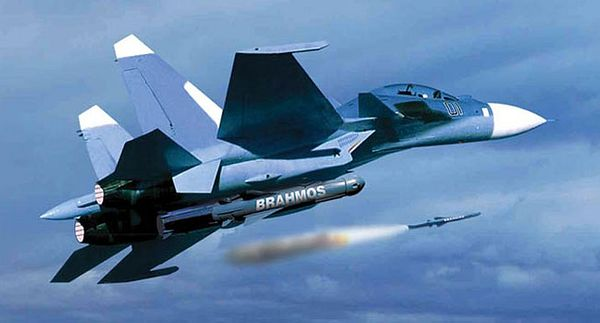
BrahMos-A (Air-Launched Variant)
BrahMos-A is the air-launched variant of the BrahMos supersonic cruise missile, integrated with the Su-30MKI to deliver long-range, precision standoff strikes at speeds of Mach 2.8–3. Designed with reduced weight and optimized aerodynamics, it enables the Indian Air Force to engage high-value land and naval targets deep inside enemy territory without entering defended airspace.
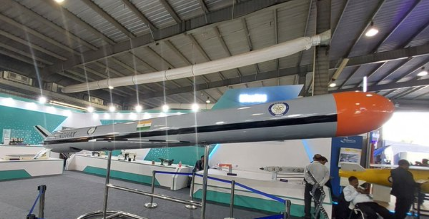
Nirbhay/ITCM variants
Planned air-launched variants of Nirbhay and ITCM aim to provide long-range, low-altitude, precision strike capability from fighter aircraft, expanding India’s standoff attack options with stealthier and more flexible cruise missile deployment.
Operational Role of ALCMs
• Deep-Strike Missions
Targets strategic enemy assets such as command centers, radar sites, and airbases.
• Anti-Ship Warfare
ALCMs like BrahMos-A can destroy warships from long distances.
• High-Value Target Neutralization
Used against hardened structures or critical infrastructure.
• Rapid Response
Allows quick deployment and engagement during time-sensitive missions.
• Minimal Risk to Aircraft
Aircraft do not need to enter heavily defended airspace.
Advantages of ALCMs
1. Longest Effective Reach Among Cruise Missile Types
Because they are launched from high-speed, high-altitude aircraft, ALCMs gain additional range and energy, allowing them to strike targets far deeper than most land- or sea-launched variants.
2. High Flexibility Across Multiple Aircraft Platforms
ALCMs can be integrated onto fighter jets, bombers, and multirole aircraft, giving air forces versatile deployment options and the ability to tailor strikes to mission requirements.
3. Rapid and Seamless Mission Integration
Air-launched missiles can be quickly loaded, rerouted, or reprogrammed mid-mission, enabling fast response to emerging threats or changing battlefield conditions.
4. Enhanced Survivability Through Altitude and Mobility
Fighter aircraft can reposition rapidly, choose optimal launch angles, and release the missile from outside hostile airspace, reducing the risk to both platform and missile.
5. High Precision with Reduced Collateral Damage
Equipped with advanced navigation and terminal guidance systems, ALCMs deliver pinpoint accuracy, making them ideal for high-value or sensitive targets where precision is critical.
Limitations of ALCMs
1. Launch Aircraft Can Be Detected or Targeted
Despite standoff capability, the launching aircraft may still be tracked by enemy radar or aircraft, potentially making it vulnerable during the mission.
2. Dependence on Air Superiority or Escort Protection
ALCMs are most effective when the launching platform operates in a safe air environment. Missions often require fighter escorts, EW support, or suppression of enemy air defences, adding complexity and resource demand.
3. Integration Challenges for Heavy Cruise Missiles
Larger or heavier ALCMs require specialized aircraft with reinforced hardpoints, upgraded avionics, or structural modifications, limiting the number of platforms capable of carrying them.
Conclusion
Air-Launched Cruise Missiles have become a vital component of modern air warfare, offering unmatched flexibility, precision, and long-range strike capability. By allowing aircraft to engage high-value land and naval targets from secure standoff distances, ALCMs enhance mission survivability and expand operational reach. Their ability to integrate with multiple aircraft platforms, penetrate layered air defences, and deliver accurate strikes makes them indispensable for deterrence, rapid-response operations, and multi-domain warfare. As technology advances, ALCMs will continue to strengthen air power effectiveness and reshape strategic strike doctrines worldwide. To know more about missiles visit Education Masters.
सरकारी नौकरियों, जीके अपडेट्स और करेंट अफेयर्स की ताज़ा जानकारी सबसे पहले पाने के लिए:

.jpg)



.png)
.png)
.png)
.jpg)
.jpg)