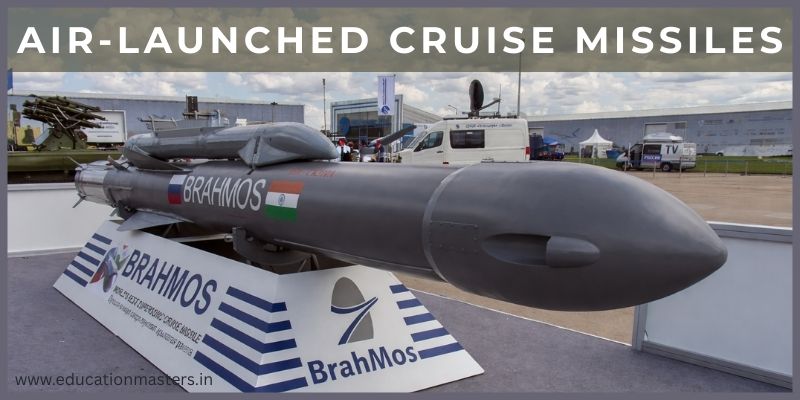
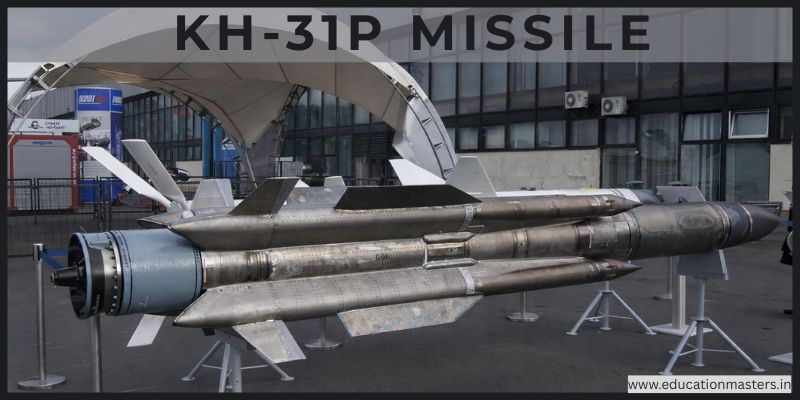
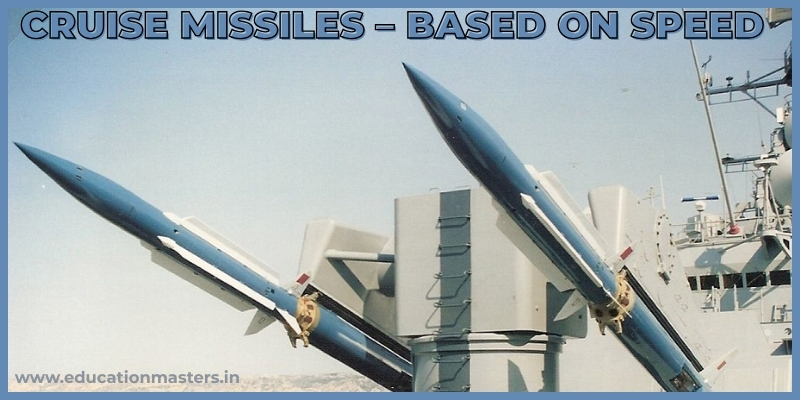
Surface-to-Surface Cruise Missiles (SSMs) are precision-guided weapons designed to strike land or maritime targets with high accuracy while flying at low altitudes using advanced navigation systems. When classified based on speed, these missiles demonstrate distinct performance characteristics, operational roles, and mission effectiveness. Their speed profile—whether subsonic, supersonic, or hypersonic—directly influences their survivability, reaction time, penetrative capability, and ability to evade enemy air-defence networks.
Subsonic cruise missiles offer long-range endurance and stealthy, terrain-hugging flight paths ideal for deep-strike missions. Supersonic variants prioritize high speed to overwhelm defences and deliver rapid, kinetic-impact strikes. Emerging hypersonic cruise missiles aim to combine extreme speed with advanced manoeuvrability, setting new benchmarks in strike capability. Together, these categories reflect the technological evolution of cruise missiles and their expanding role in modern warfare, enabling nations to project power, maintain deterrence, and conduct precision operations across strategic distances.
Overview of Cruise Missiles – Based on Speed
|
Speed Category
|
Missiles
|
Speed Range
|
Primary Role
|
Status
|
|
Subsonic Cruise Missiles
|
Nirbhay, ITCM
|
0.7–0.9 Mach
|
Long-range land attack
|
Operational / Testing
|
|
Supersonic Cruise Missiles
|
BrahMos, BrahMos ER, BrahMos Coastal Defence
|
Mach 2.8–3.0
|
Precision strike on land & sea targets
|
Fully operational
|
|
Hypersonic Cruise Missiles
|
HSTDV-based programs (future)
|
Mach 5+
|
Ultra-fast, high-survivability strike capability
|
Under development
|
Subsonic Cruise Missiles
Subsonic cruise missiles are long-range, precision-guided weapons that travel at speeds below Mach 1 and rely on stealth, endurance, and low-altitude flight to penetrate enemy defences. Unlike faster supersonic or ballistic missiles, subsonic systems prioritize terrain-hugging navigation, extended flight times, and complex route planning, allowing them to approach targets undetected and strike with high accuracy. Their relatively lower propulsion demands make them more cost-efficient while still offering formidable deep-strike capability.
In modern warfare, subsonic cruise missiles serve as highly effective tools for strategic and tactical missions, particularly those requiring precision engagement of high-value targets deep inside enemy territory. For India, systems like Nirbhay and the advancing ITCM program form a crucial component of long-range conventional deterrence, enabling stealthy, flexible, and reliable strike operations across diverse terrains and threat environments.

Design Philosophy of Subsonic Cruise Missiles
Subsonic cruise missiles are designed around four major principles:
-
Stealth and Survivability: Reduced radar cross-section and low-altitude flight minimize detectability.
-
Long Range: Efficient turbofan/turbojet engines allow missions over 1,000+ km.
-
Precision: Advanced guidance systems ensure pinpoint accuracy even in complex terrain.
-
Flexibility: Ability to fly complex routes, change course mid-flight, and loiter over targets.
Key Features of Subsonic Cruise Missiles
-
Terrain-Hugging Flight: Operate at extremely low altitudes using terrain-following and terrain-hugging profiles, significantly reducing radar detection.
-
Long Endurance & Extended Range: Designed to fly for long durations with ranges exceeding 1,000 km, enabling deep penetration into hostile territory.
-
High Mission Flexibility: Capable of waypoint navigation, loitering, sharp turning, and complex manoeuvres to bypass air defences.
-
Cost-Effective Strike Option: Subsonic propulsion makes these missiles more economical than supersonic or ballistic systems while still delivering high precision.
-
Stealthy Characteristics: Lower acoustic and radar signatures improve survivability in contested environments.
Examples: Nirbhay LACM and ITCM (Indigenous Technology Cruise Missile)
Supersonic Cruise Missiles (Mach 1–3)
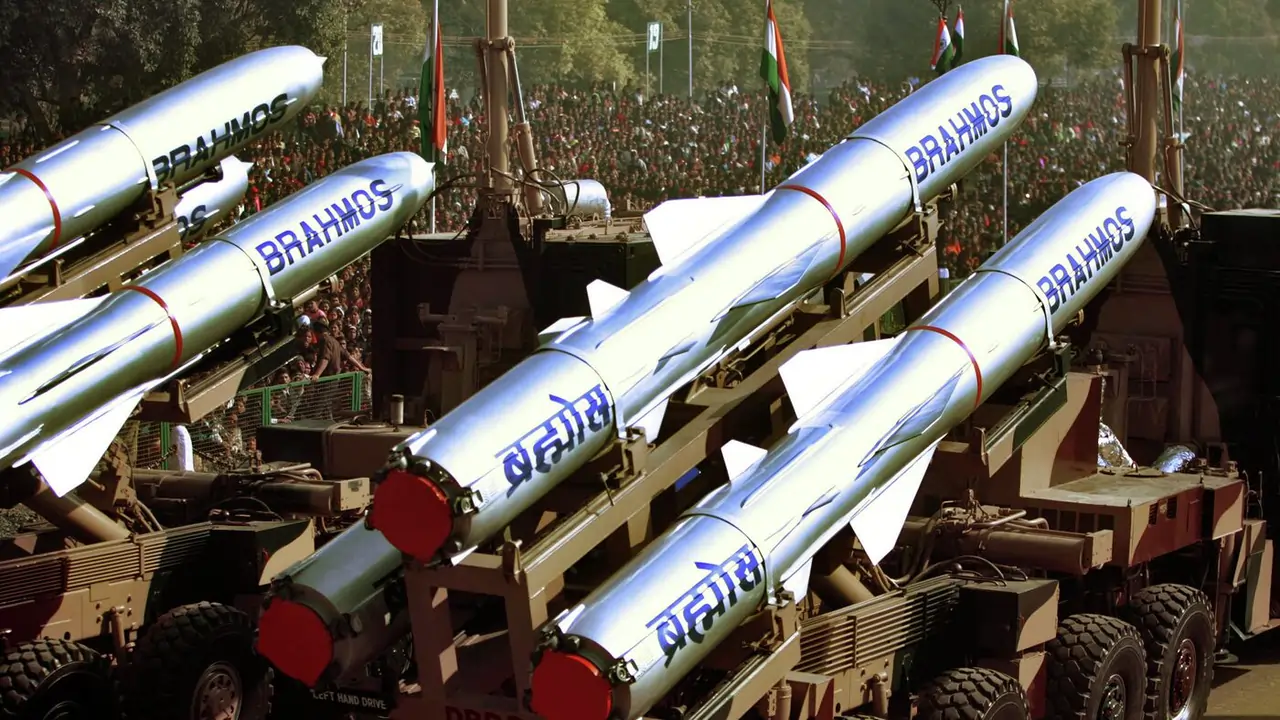
Supersonic cruise missiles are advanced, high-speed precision weapons engineered to travel between Mach 1 and Mach 3, giving them a decisive edge in speed, survivability, and strike effectiveness compared to subsonic systems. Their ability to close the distance rapidly greatly compresses the enemy’s reaction time, making interception extremely difficult. This high-velocity approach not only enhances their penetration capability against layered air-defence systems but also ensures higher kinetic impact on the target. As a result, supersonic cruise missiles excel in engaging both land-based infrastructures and naval vessels, making them indispensable in modern, high-threat, time-sensitive combat environments.
Design Philosophy of Supersonic Cruise Missiles
Supersonic cruise missiles are designed for:
-
High-speed penetration to overwhelm air defences
-
Reduced reaction time for the enemy
-
High-precision targeting of land and sea targets
-
Survivability through speed and evasive manoeuvres
-
Strong strike capability with heavy warhead delivery
They aim to defeat even advanced air-defence systems by minimizing detection-to-interception time.
Key Features of Supersonic Cruise Missiles
-
High Speed (Mach 1–3): Minimizes enemy reaction time.
-
Low-Altitude Flight: Sea-skimming for radar evasion.
-
High Accuracy: Advanced guidance and seekers.
-
Strong Penetration: Can defeat modern air defenses.
-
High Kinetic Impact: Greater destructive power on impact.
-
Multi-Platform Launch: Land, sea, air, and submarine capable.
Example: BrahMos Missile and BrahMos-ER (Extended Range)
Hypersonic Cruise Missiles (Mach 5 and Above)
Hypersonic cruise missiles represent the next generation of high-speed precision-strike weapons capable of traveling at Mach 5 and beyond while maintaining atmospheric flight. These missiles combine extreme speed, manoeuvrability, and advanced propulsion systems to penetrate even the most sophisticated air and missile defence networks. Hypersonic cruise missiles are designed for rapid, high-impact strikes against time-sensitive, heavily defended, or high-value targets on land or at sea.

Design Philosophy of Hypersonic Cruise Missiles
Hypersonic cruise missiles are built around three core principles:
-
Extreme speed to drastically reduce enemy reaction time
-
High manoeuvrability to evade detection and interception
-
Precision strike capability against strategic, hardened, or moving targets
These missiles aim to break through advanced multi-layered defence systems and deliver fast, decisive impacts.
Examples: HSTDV (Under Development)
Key Features of Hypersonic Cruise Missiles
-
Extreme Speed (Mach 5+): Nearly impossible to intercept.
-
High Maneuverability: Unpredictable flight path.
-
Low-Altitude Atmospheric Flight: Hard to detect.
-
Precision Strike Capability: Ideal for high-value targets.
-
High Thermal Protection: Survives intense heat.
-
Rapid Reaction: Reaches targets within minutes.
Conclusion
Cruise missiles classified by speed—subsonic, supersonic, and hypersonic—represent the evolving capability of Surface-to-Surface Missile systems. Subsonic cruise missiles offer long-range endurance and precision, making them ideal for strategic deep-strike missions. Supersonic variants, with their high speed and low-altitude flight, reduce enemy reaction time and enhance penetration capabilities against defended targets. Hypersonic cruise missiles, still emerging globally, promise unmatched speed, maneuverability, and survivability, making them the future of modern warfare. Together, these speed-based categories highlight how cruise missiles continue to advance in accuracy, stealth, and effectiveness, strengthening a nation’s offensive and deterrence capabilities across diverse operational environments. To know more about missiles visit Education Masters.
सरकारी नौकरियों, जीके अपडेट्स और करेंट अफेयर्स की ताज़ा जानकारी सबसे पहले पाने के लिए:






.png)
.jpg)
.jpg)