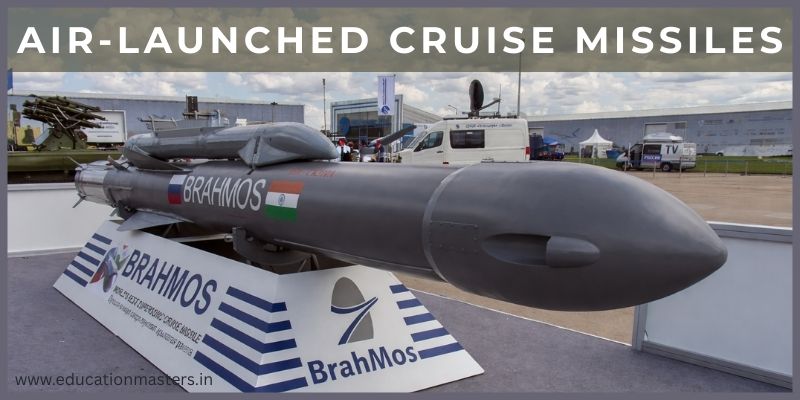
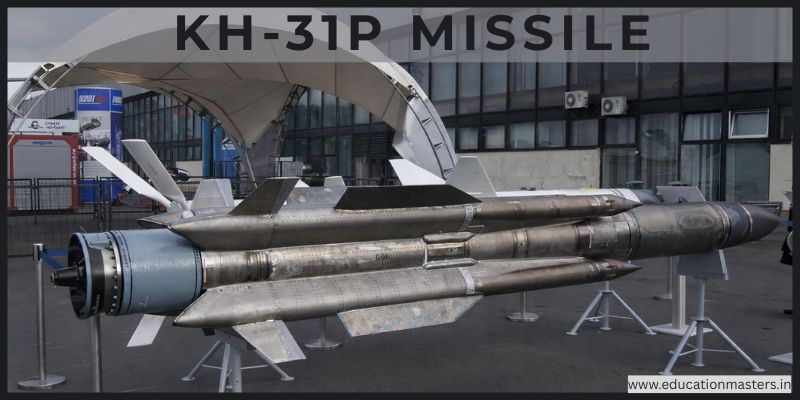
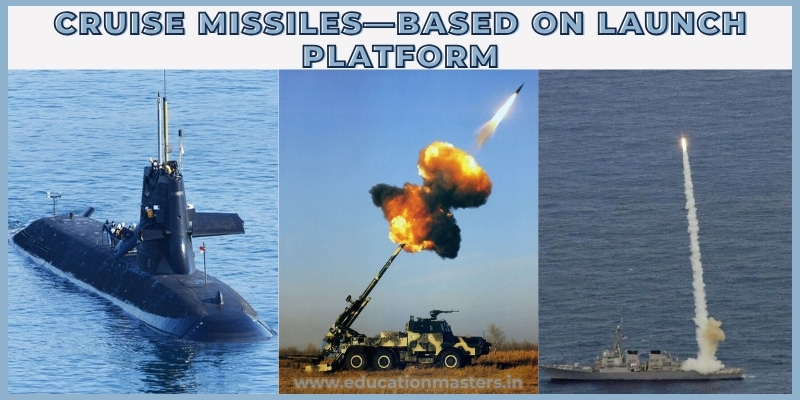
Cruise missiles can be classified based on the type of platform used to launch them. Each launch method offers unique tactical advantages, operational flexibility, and strategic roles in modern warfare. Below are the four major categories:
|
Launch Type
|
Advantages
|
Indian Examples
|
|
Land-Launched
|
Mobile, long-range, survivable
|
Nirbhay, BrahMos LACM
|
|
Air-Launched
|
Standoff range, flexible
|
BrahMos-A
|
|
Ship-Launched
|
Naval dominance, multi-role
|
BrahMos (Ship)
|
|
Submarine-Launched
|
Stealth, strategic strike
|
BrahMos-SLCM (developing)
|
1. Ground-Launched Cruise Missiles (GLCM)
These cruise missiles are launched from ground-based platforms, including mobile launch vehicles, fixed silos, and concealed or hardened launch sites. Their land-based deployment provides high strategic security, enabling forces to conduct long-range, precision strikes from protected inland locations. This ensures greater survivability, rapid mobility, and the ability to deliver accurate attacks deep inside enemy territory while minimizing exposure to hostile surveillance or counterstrikes.
Key Features of GLCM
-
High mobility using road-mobile or trailer launchers
-
Suitable for deep-strike and strategic missions
-
Can be deployed quickly across various terrains
-
Use terrain-hugging routes to avoid radar
Examples (India)
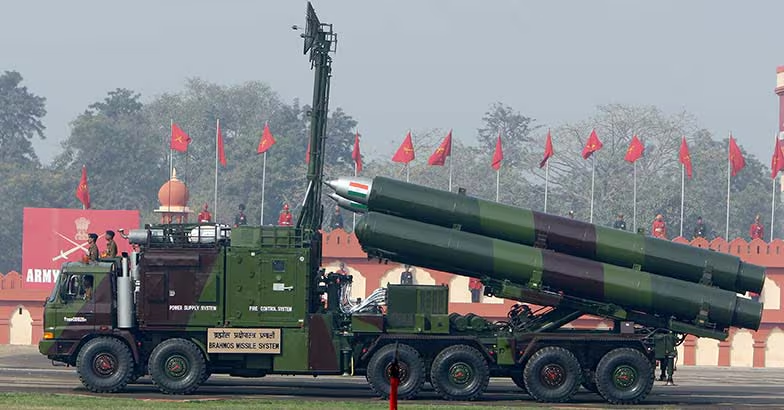
Operational Use of GLCM
Ground-launched cruise missiles are primarily employed for long-range precision strikes against high-value targets deep inside enemy territory. Their mobility allows rapid deployment across diverse terrains, enabling forces to launch surprise attacks while staying concealed from enemy surveillance. These missiles are used for:
-
Strategic deep-strike missions against command centers, ammunition depots, radar sites, and infrastructure.
-
Preemptive or retaliatory operations, giving commanders flexible response options.
-
Standoff engagements, allowing forces to strike without crossing borders or entering high-threat zones.
-
Support in joint operations, coordinating with air and naval assets for coordinated multi-domain attacks.
Their ability to be dispersed and relocated quickly increases survivability, ensuring India can maintain a credible and resilient strike capability even in contested environments.
2. Air-Launched Cruise Missiles (ALCM)
Air-launched cruise missiles are deployed from fighter jets, bombers, or multi-role aircraft, leveraging the platform’s speed and high-altitude launch profile to significantly extend their range and effectiveness. By starting their flight from elevated altitudes and at high velocities, these missiles gain improved fuel efficiency, greater standoff distance, and reduced exposure to enemy air defences. This launch method enhances missile survivability, allows rapid repositioning, and enables precision strikes deep inside hostile territory without requiring the aircraft to enter dangerous airspace.
Key Features of ALCM
-
Aircraft provide initial speed and altitude → increases missile range
-
Allows standoff strikes without entering hostile airspace
-
Highly flexible and rapid deployment capability
Examples (India)
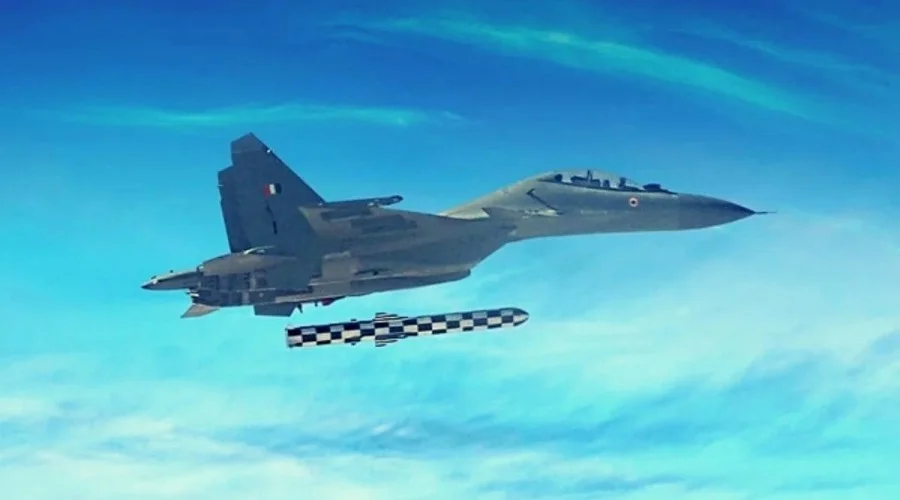
Operational Use of ALCM
Air-launched cruise missiles enable long-range standoff strikes, allowing aircraft to engage high-value targets such as command centers, radar installations, missile sites, and naval vessels without entering hostile airspace. By launching from a safe distance, aircraft remain outside the reach of enemy air-defence systems, significantly reducing risk to pilots and platforms.
These missiles are also ideal for:
-
Deep-penetration strikes into enemy territory with minimal exposure
-
First-strike and rapid-response missions where speed and precision are critical
-
Neutralizing hardened or well-defended targets through low-altitude, terrain-hugging missile flight
-
Force projection, enabling wide-area engagement across multiple theatres
Their mobility, flexibility, and long-range capability make air-launched cruise missiles a vital tool in modern air warfare.
3. Surface-Ship Launched Cruise Missiles
These cruise missiles are launched from destroyers, frigates, and other naval warships using advanced vertical-launch systems (VLS) or inclined deck launchers. This sea-based deployment allows ships to project power across vast maritime regions, enabling long-range precision strikes against enemy vessels, coastal targets, and strategic land installations. Their integration into modern warships enhances naval strike capability, supports multi-role operations, and provides a rapid-response option in both offensive and defensive maritime missions.
Key Features of Surface-Ship Cruise Missiles
1. Essential for Maritime Dominance
These missiles enable naval forces to control vast ocean regions by providing powerful offensive and defensive capabilities, ensuring superiority in both blue-water and littoral environments.
2. Capable of Striking a Wide Range of Targets
Surface-ship cruise missiles can precisely engage enemy warships, coastal installations, ports, radar stations, command centers, and other critical maritime infrastructure, making them versatile tools for naval warfare.
3. Support Long-Range Naval Strike Operations
With extended reach and high accuracy, these missiles allow ships to conduct deep, standoff attacks without entering hostile waters, enhancing operational flexibility and reducing risk to naval assets.
Examples (India)
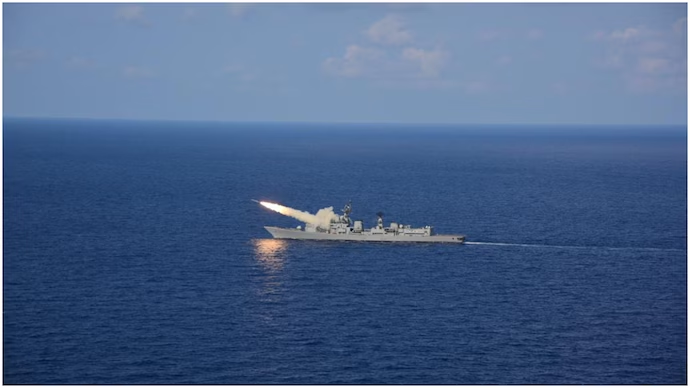
Operational Role of Surface-Ship Launched Cruise Missiles
1. Long-Range Maritime Strike Capability
These missiles enable warships to engage enemy vessels, carrier groups, and coastal installations from significant distances, allowing naval forces to shape the battle space without entering hostile waters.
2. Sea Control and Sea Denial Operations
Surface-launched cruise missiles support missions aimed at controlling strategic sea lanes or denying enemy access to critical maritime zones, ensuring dominance in high-threat operational environments.
3. Precision Attacks on Coastal and Land-Based Targets
They allow naval forces to strike radar hubs, ports, ammunition depots, command centers, and other land targets during joint operations, expanding the navy’s ability to influence battles onshore.
4. Support for Joint and Multi-Domain Operations
By coordinating with air and land forces, surface ships equipped with cruise missiles can deliver synchronized attacks, enhancing the effectiveness of large-scale military campaigns.
5. Defensive and Deterrence Role
Their presence on warships acts as a powerful deterrent, discouraging enemy surface fleets or submarines from approaching vital maritime regions or attempting aggression.
4. Submarine-Launched Cruise Missiles (SLCM)
Submarine-launched cruise missiles are fired from beneath the surface, using either traditional torpedo tubes or advanced vertical-launch systems on modern submarines. Their underwater launch capability provides the highest level of stealth, allowing submarines to strike targets without revealing their position. This makes SLCMs ideal for covert operations, long-range precision strikes, and strategic missions where surprise, survivability, and deniability are essential.
Examples (India)
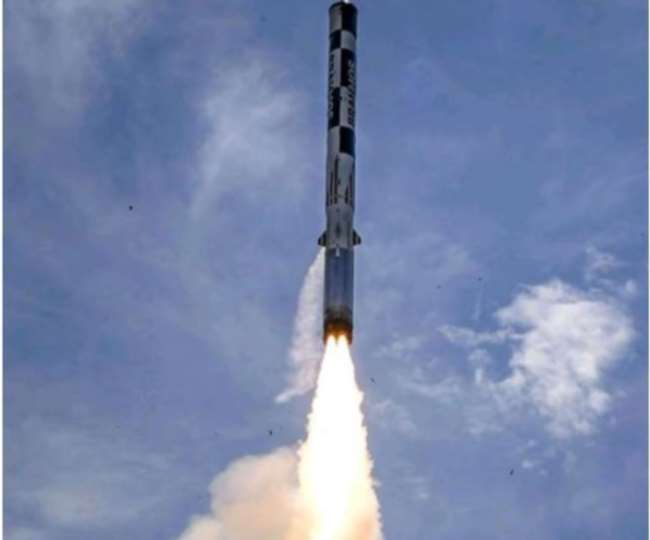
Key Features of Submarine-Launched Cruise Missiles
1. Extremely Covert Launch Capability
SLCMs can be fired from deep underwater, allowing submarines to strike without revealing their position. This stealthy launch method makes detection and tracking extremely difficult for adversaries.
2. Hard to Detect and Counter
Because submarines operate silently and beneath the surface, their cruise missile launches are challenging to anticipate or intercept. This gives SLCMs a major advantage over land- or ship-based missile systems.
3. Ideal for Strategic and High-Value Target Strikes
With high accuracy and long reach, submarine-launched cruise missiles are well-suited for attacking command centers, critical infrastructure, naval assets, and strategic military targets, especially in missions requiring surprise and precision.
Operational Use
Used for first-strike missions, covert reconnaissance, and maritime/land attack roles.
Conclusion
Cruise missiles launched from land, air, sea, and submarine platforms together form a versatile and powerful strike capability essential for modern warfare. Each platform offers unique operational advantages—land-based systems provide secure long-range precision, air-launched missiles enable flexible standoff strikes, surface-ship variants support maritime dominance, and submarine-launched missiles deliver unmatched stealth and strategic reach. To know moree about missiles visit Education Masters.
सरकारी नौकरियों, जीके अपडेट्स और करेंट अफेयर्स की ताज़ा जानकारी सबसे पहले पाने के लिए:







.jpg)
.jpg)