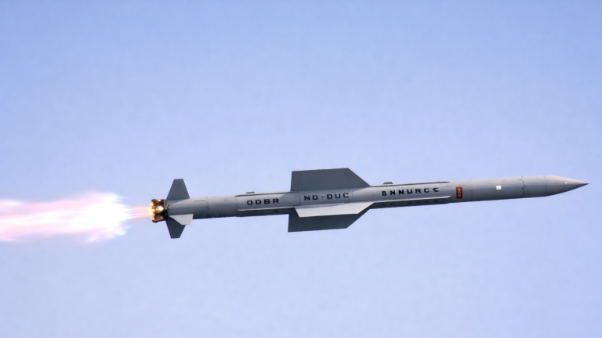
Short range air to air missiles (SR AAMs) form the first line of aerial combat for the Indian Air Force, built for lightning-fast response and dominance in within-visual-range (WVR) dogfights. These missiles excel in high-G maneuvers, rapid lock-ons, and close-quarters engagements where speed, agility, and precision decide survival. India’s SRAAM arsenal blends advanced heat-seeking technology, off-boresight targeting, helmet-mounted sights, and sharp maneuverability. From the trusted R-73 Archer to modern systems like Python-5, ASRAAM, and the indigenous Astra IR, India has created a powerful mix of imported and homegrown dogfight weapons.
As threats evolve and air combat shifts toward supersonic merges and low-visibility engagements, these missiles ensure Indian pilots maintain a clear edge. With ongoing upgrades and deeper indigenization, India is strengthening its SRAAM ecosystem for future fighters such as Tejas Mk-2, AMCA, and the upgraded Su-30MKI.
Overview of SR AAM of India
|
Category
|
Details
|
|
Purpose
|
Close-range dogfights (WVR: Within Visual Range)
|
|
Primary Guidance
|
Infrared (IR) heat-seeking, Imaging IR, Dual EO/IR
|
|
Role in Combat
|
Instant lock-on, rapid kill shots during high-G dogfights
|
|
Key Strength
|
No radar need → “Fire-and-forget” + stealthy silent kill
|
|
Platforms Equipped
|
Tejas, Mirage-2000, MiG-29, Jaguar, Su-30MKI, Rafale
|
|
Core Missiles in Service
|
R-73, Python-5, ASRAAM, MICA IR
|
|
Upcoming Indigenous Missile
|
Astra IR (to replace R-73 gradually)
|
|
Pilot Support System
|
Helmet-Mounted Sight (HMS) for instant aim & shoot
|
|
Targeting Ability
|
High off-boresight (can hit even when target isn’t in front)
|
|
Countermeasure Defense
|
Flare-resistant seekers, advanced tracking algorithms
|
|
Combat Advantage
|
Tight-turn agility, high maneuver kill angles, ultra-fast lock
|
|
Strategic Importance
|
First layer of air superiority in close-range engagements
|
Key Features for SR AAMs of India
Short range air to air missiles (SRAAMs) are built for fast close-range dogfights, using heat-seeking guidance and fire-and-forget capability. They offer high off-boresight targeting, helmet-mounted sight support, and extreme maneuverability for tight aerial turns. With rapid lock-on speed, all-aspect attack, and strong flare resistance, SRAAMs ensure quick and accurate kills within visual range.
1. High Off-Boresight Targeting Capability
-
These missiles can lock onto targets even when the aircraft is not pointing directly at the enemy fighter.
-
This means a pilot can look, lock, and fire during high-speed turning dogfights, gaining a faster kill advantage.
2. Imaging Infrared (IIR) Seeker Technology
-
Uses advanced heat-signature tracking instead of radar.
-
Capable of distinguishing actual aircraft heat from flares, engine glow, and hot ground background.
-
Provides reliable lock even during evasive maneuvers.
3. Fire-and-Forget Engagement
-
Once launched, the missile guides itself and requires no further pilot input.
-
Allows the pilot to break away, maneuver defensively, or re-engage another target safely.
4. Thrust Vector Control (TVC) for Extreme Maneuverability
-
TVC nozzles adjust the missile’s thrust direction during flight.
-
Enables sudden turns and rapid angle corrections, allowing the missile to chase agile enemy jets at close range.
-
Critical in dogfights where both aircraft pull extreme G-forces.
5. 360-Degree Attack Envelope
-
Can engage from rear-aspect, side-aspect, and head-on angles.
-
Gives pilots full flexibility to fire regardless of position, especially in swirling close-combat merges.
6. High-G Tolerance (Up to 40G+)
7. Helmet-Mounted Sight (HMS) Integration
-
The pilot simply looks at the target, and the missile locks via helmet sight sensors.
-
Eliminates the need for pointing the aircraft nose toward the enemy, drastically reducing response time.
8. Strong Counter-Countermeasure (CCM) Capability
Types of SR AAMs of India
|
Missile
|
Type
|
Notes
|
|
R-73 (Archer)
|
IR homing WVR
|
Main dogfight missile in IAF, high off-boresight
|
|
Python-5
|
IR dual-band WVR
|
360° lock-on-after-launch, used on Tejas
|
|
ASRAAM
|
IR WVR
|
Integrated on Jaguar / planned wider integration
|
|
MICA IR
|
IR short-/WVR
|
Close-combat version of MICA family
|
Importance of Short range air to air missiles of India (SR AAMs)
Short range air to air missiles (SRAAMs) are crucial because they decide the outcome of close-range dogfights, where reaction time and agility matter most. These missiles allow pilots to lock onto and destroy enemy aircraft within seconds using heat-seeking guidance, high maneuverability, and off-boresight targeting. In situations where fighters merge at high speed or visibility is limited, SRAAMs provide the fast, accurate, last-line defence needed to survive and win. For air forces like India’s, they ensure instant response, air superiority, and protection against hostile jets, drones, and helicopters in close combat.
1. Winning Close-Range Dogfights
-
SRAAMs are designed for visual-range combat, where enemy aircraft are extremely close.
-
In this chaotic zone, agility and instant lock-on decide survival.
-
These missiles ensure Indian pilots can out-turn and out-kill enemy fighters in seconds.
2. Protection in Last-Ditch Situations
-
When BVR missiles miss, fail, or the enemy closes distance, SRAAMs become the final lethal line.
-
They prevent enemy fighters from gaining advantage in close proximity.
3. High Off-Boresight Advantage
4. Survival of Pilot and Aircraft
-
These missiles are fire-and-forget, meaning no guiding required post-launch.
-
Pilots can break away, avoid counterfire, and survive intense dogfight conditions.
5. Countering Stealth Fighters in Close Range
6. Independence from Radar Limitations
8. Crucial for Multi-Front Conflict
Advantages of SR AAMs of India
Short range air to air missiles (SRAAMs) offer unmatched performance in close-range dogfights, where quick reaction time decides survival. Their heat-seeking guidance, fire-and-forget capability, extreme maneuverability, and off-boresight targeting allow pilots to lock onto enemies instantly. With helmet-mounted sight support, rapid lock-on speed, and strong flare resistance, SRAAMs provide fast, accurate, and highly reliable kills within visual range.
1. Extreme Agility in Dogfights
2. Instant Eye-Lock Engagement
-
With Helmet Mounted Sight (HMS), the pilot only looks at the target → missile locks instantly.
-
Reduces reaction time, crucial in high-speed close combat.
3. Fire-and-Forget Safety
-
The missile guides itself, after launch.
-
Pilots can immediately break away and avoid counter-attack, increasing survival chances.
4. Flare & ECM Resistance
5. 360-Degree Attack Capability
-
Can strike from front, side, or rear angles.
-
Perfect for chaotic dogfights where enemies cross rapidly.
6. Superiority at Close Range
7. High-Speed Target Kill
Limitations of SR AAMs of India
Short range air to air missiles (SRAAMs) are limited by their short range, making them ineffective in long-distance combat. They also depend on visual identification and close-in positioning, which can be risky in modern air warfare. Older IR seekers may struggle against advanced countermeasures, flares, and low-IR signature aircraft. Their effectiveness reduces significantly if the enemy avoids dogfights or stays at high altitude and long range, where BVRAAMs dominate.
1. Limited Range (Only Close Combat Use)
-
SRAAMs work effectively under 20–30 km.
-
Cannot engage targets before visual contact like BVR missiles.
-
Enemy aircraft can fire long-range missiles first and stay safe.
2. Dependence on Pilot Reaction & Position
3. Less Effective Against High-Speed Retreating Targets
-
If an enemy turns and accelerates away after launch distance, kill probability reduces.
-
The close-range window is very short.
4. Vulnerable to Defensive Maneuvers at Merge
5. Heavily Affected by Infrared Interference Sources
6. Not Ideal for First Strike
8. Limited Stealth Fighter Engagement Before Merge
-
Against stealth jets like China’s J-20, SRAAMs work only after close-in merge.
-
Before that, the radar-stealth advantage remains with the enemy.
CONCLUSION
Short range air to air missiles of India (SR AAMs) remain the most decisive weapons in India’s close-range aerial combat doctrine, delivering rapid lock-on, 360° kill capability, and high-G maneuver performance when dogfights become unavoidable. Whether confronting stealth fighters in Himalayan air corridors or countering multi-front pressure from Pakistan and China, these missiles ensure that Indian pilots retain both survivability and strike superiority in the most demanding combat environments.
With systems like R-73, Python-5, ASRAAM, and MICA-IR already in service and the indigenous Astra IR on the way India is not only strengthening its current dogfight dominance but also building a self-reliant future arsenal for next-generation fighters including Tejas Mk-2, AMCA, Su-30MKI upgrades, and Rafale squadrons. As air battles evolve into faster, tighter, and more unpredictable engagements, Short range air to air missiles (AAMs) will continue to stand as India’s fastest response and most lethal layer of air defense, securing instant air superiority when every second counts. To know more about missiles visit Education Masters.
सरकारी नौकरियों, जीके अपडेट्स और करेंट अफेयर्स की ताज़ा जानकारी सबसे पहले पाने के लिए:




.png)
.png)
.png)
.jpg)
.jpg)