A Surface-to-Air Missile (SAM) is an advanced guided weapon system launched from ground-based or naval platforms to detect, track, and neutralize hostile aerial threats such as fighter aircraft, bombers, helicopters, unmanned aerial vehicles (UAVs), cruise missiles, and in some cases ballistic missiles. SAMs are a critical element of modern integrated air defence systems, combining surveillance radars, fire-control radars, command-and-control units, and interceptor missiles to provide continuous protection of national airspace, military bases, strategic installations, cities, and forward-deployed forces. Their ability to engage targets at different ranges and altitudes makes them indispensable in countering both conventional and emerging airborne threats.
With rapid advancements in aviation and missile technology, modern SAM systems are designed to deliver high accuracy, rapid reaction time, and all-weather, day-and-night operational capability. They are deployed in layered defence networks, ranging from very short-range portable systems for point defence to long-range strategic interceptors capable of engaging multiple targets simultaneously at extended distances. As air power continues to play a decisive role in warfare, Surface-to-Air Missiles remain a cornerstone of military defence strategy, providing deterrence, survivability, and control over the aerial battlefield.
Overview of Surface-to-Air Missiles (SAMs)
|
Aspect
|
Details
|
|
Definition
|
Surface-to-Air Missiles (SAMs) are guided weapons launched from land or naval platforms to destroy aerial threats.
|
|
Primary Targets
|
Aircraft, helicopters, UAVs/drones, cruise missiles, and ballistic missiles (advanced systems).
|
|
Launch Platforms
|
Ground-based launchers, mobile vehicles, naval ships, and fixed installations.
|
|
Main Purpose
|
Airspace protection, air defence of cities, military bases, critical infrastructure, and forces.
|
|
Range Categories
|
VSHORAD, Short-Range (SR-SAM), Medium-Range (MR-SAM), Long-Range (LR-SAM), Anti-Ballistic SAMs.
|
|
Guidance Systems
|
Infrared, radar-guided (active/semi-active), command-guided, laser-guided.
|
|
Operational Role
|
Point defence, area defence, strategic missile defence.
|
|
Key Components
|
Radar systems, command & control units, interceptor missiles, launch systems.
|
|
Deployment Nature
|
Mobile, semi-mobile, or static depending on mission requirement.
|
|
Strategic Importance
|
Ensures air superiority, deterrence, and protection against aerial and missile attacks.
|
Surface-to-Air Missiles (SAMs) Purpose
Surface-to-Air Missiles (SAMs) are designed to defend airspace by detecting, tracking, and destroying hostile aerial threats such as aircraft, helicopters, drones, cruise missiles, and, in advanced systems, ballistic missiles. They protect cities, military bases, critical infrastructure, and field forces, and form a key element of layered air defence to ensure air superiority and battlefield security.
-
Ensure protection of national airspace by continuously monitoring, detecting, and intercepting hostile or unauthorized aerial threats.
-
Defend military bases and strategic assets, including airfields, naval ports, command-and-control centers, and logistics hubs, from air attacks.
-
Safeguard critical civilian infrastructure such as power stations, refineries, communication networks, government facilities, and industrial zones.
-
Neutralize enemy aircraft and attack helicopters, limiting the adversary’s ability to conduct air strikes and close air support missions.
-
Destroy unmanned aerial vehicles (UAVs) and drones, including surveillance, reconnaissance, and armed drones used in modern warfare.
-
Counter cruise missiles and ballistic missiles through advanced long-range and missile-defence SAM systems, strengthening strategic defence.
-
Provide mobile air-defence cover to army formations during offensive and defensive battlefield operations, ensuring troop survivability.
-
Support layered air-defence networks, working in coordination with radars and command systems to offer multi-tier protection.
-
Enhance deterrence and national security by denying enemy air superiority and reducing the effectiveness of aerial threats.
How Surface-to-Air Missiles (SAMs) Work – Basic Principle
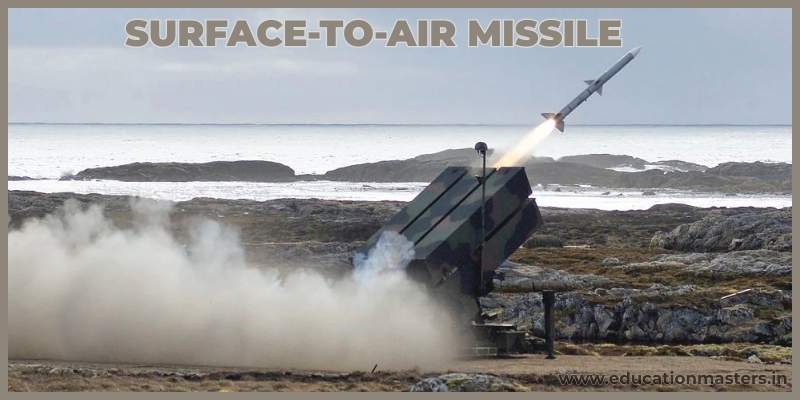
Surface-to-Air Missiles (SAMs) work by detecting an aerial threat using radar or sensors, tracking its movement, and then launching a guided missile toward the target. The missile uses radar, infrared, or command guidance to home in on the threat and destroys it using a proximity or impact warhead, neutralizing the target before it can cause damage.
-
Detection: Long-range surveillance radars continuously scan the airspace and detect incoming aircraft, helicopters, drones, or missiles.
-
Tracking: Once a threat is detected, fire-control radar or sensors lock on to the target and calculate its speed, direction, altitude and trajectory.
-
Launch: Based on threat assessment, the SAM is launched from a ground-based launcher or naval platform toward the hostile target.
-
Guidance: During flight, the missile is guided using advanced systems such as radar guidance, infrared (heat-seeking), laser guidance, or command guidance, ensuring accurate interception.
-
Interception: The missile closes in on the target and detonates its warhead—either by direct hit or proximity fuse—destroying or disabling the aerial threat.
Role of Surface-to-Air Missiles (SAMs) in Modern Warfare
Surface-to-Air Missiles (SAMs) play a critical role in modern warfare by protecting airspace from enemy aircraft, helicopters, drones, and missiles. They form the backbone of layered air defence systems, safeguarding military forces, strategic assets, and civilian infrastructure while denying the enemy air superiority and freedom of aerial operations.
-
Deny enemy air superiority by restricting hostile aircraft, drones, and missiles from operating freely in defended airspace.
-
Protect military forces and formations, providing an air-defence shield to ground troops during offensive and defensive operations.
-
Safeguard critical infrastructure, including cities, airbases, ports, power plants, and communication networks from aerial attacks.
-
Counter emerging aerial threats, such as UAV swarms, precision-guided munitions, cruise missiles, and ballistic missiles.
-
Support joint operations, integrating seamlessly with land, naval, and air forces to create a unified defence network.
-
Enhance naval warfare capabilities, defending warships, carrier groups, and coastal areas against air and missile threats.
-
Strengthen deterrence, discouraging adversaries from launching air strikes due to high interception risks.
-
Enable operational freedom, allowing friendly aircraft and forces to operate safely under a protected airspace umbrella.
Main Types of SAMs
1. Range Based
a) VSHORAD (Very Short-Range SAMs)
-
Range: Up to 6–8 kilometers
-
Used against low-flying aircraft, helicopters, drones
b) Short-Range SAMs (SR-SAM)
c) Medium-Range SAMs (MR-SAM)
-
Range: 30–100 kilometers
-
Used for defense area
d) Long-Range SAMs (LR-SAM)
e) Anti-Ballistic / Very Long-Range SAMs
2. Based on Guidance System
3. Based on Launch Platform
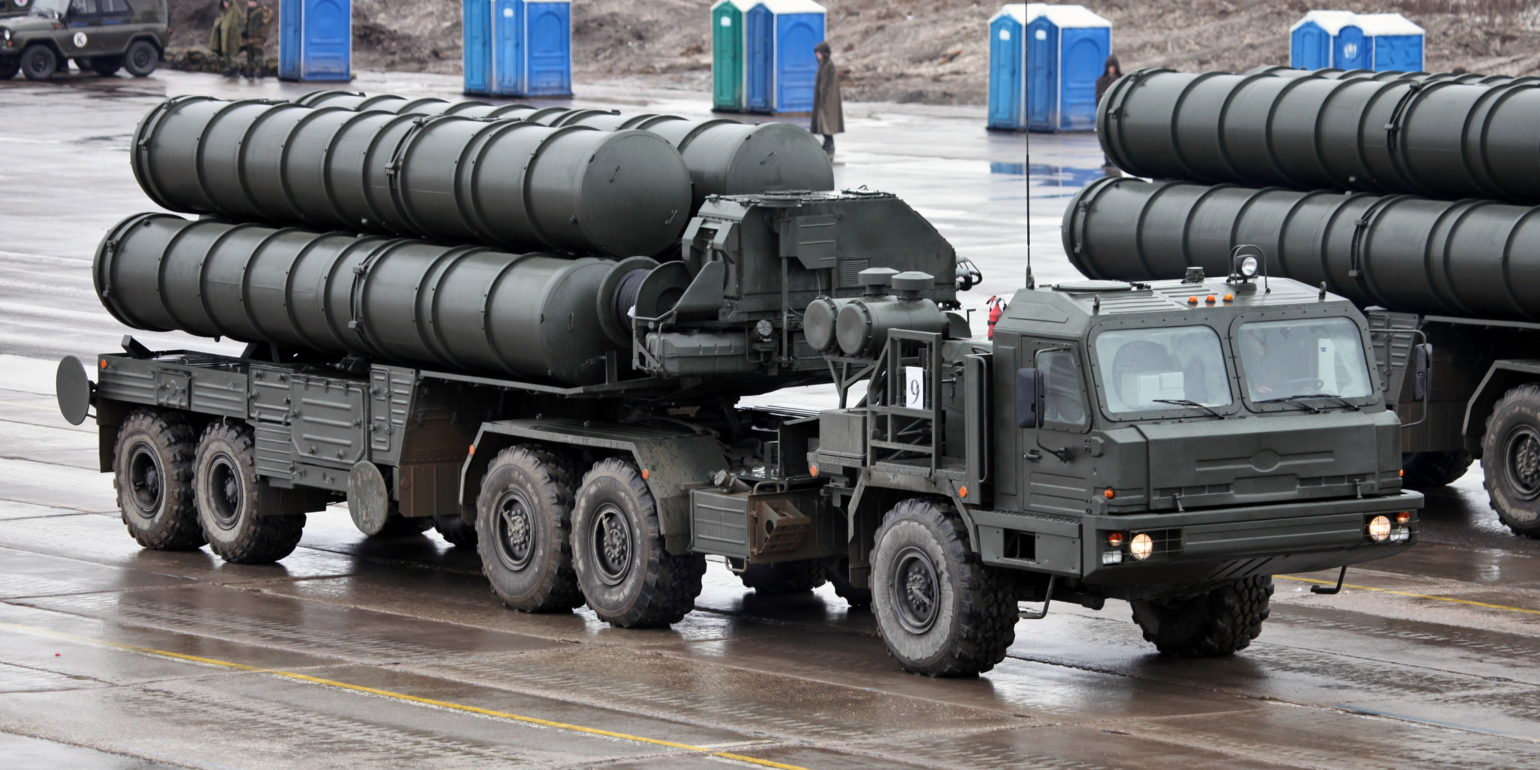
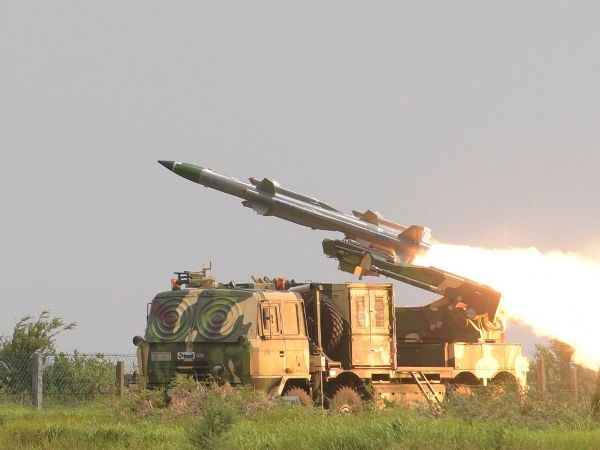
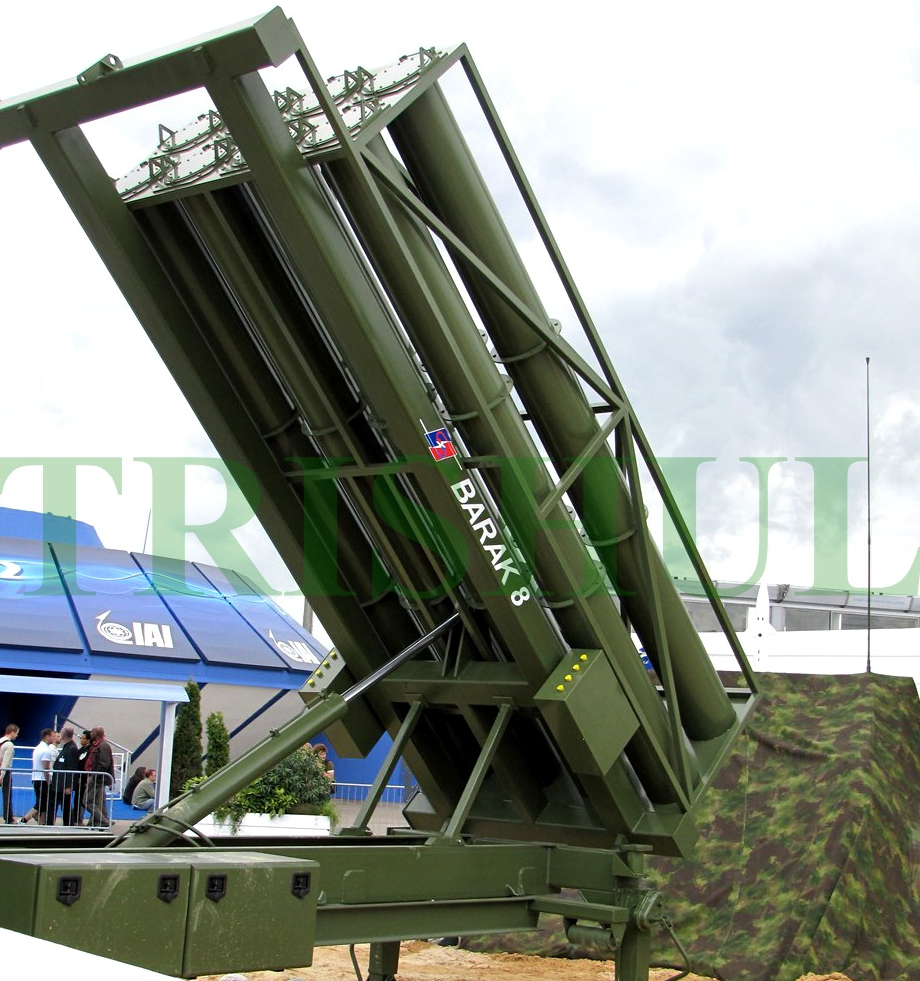
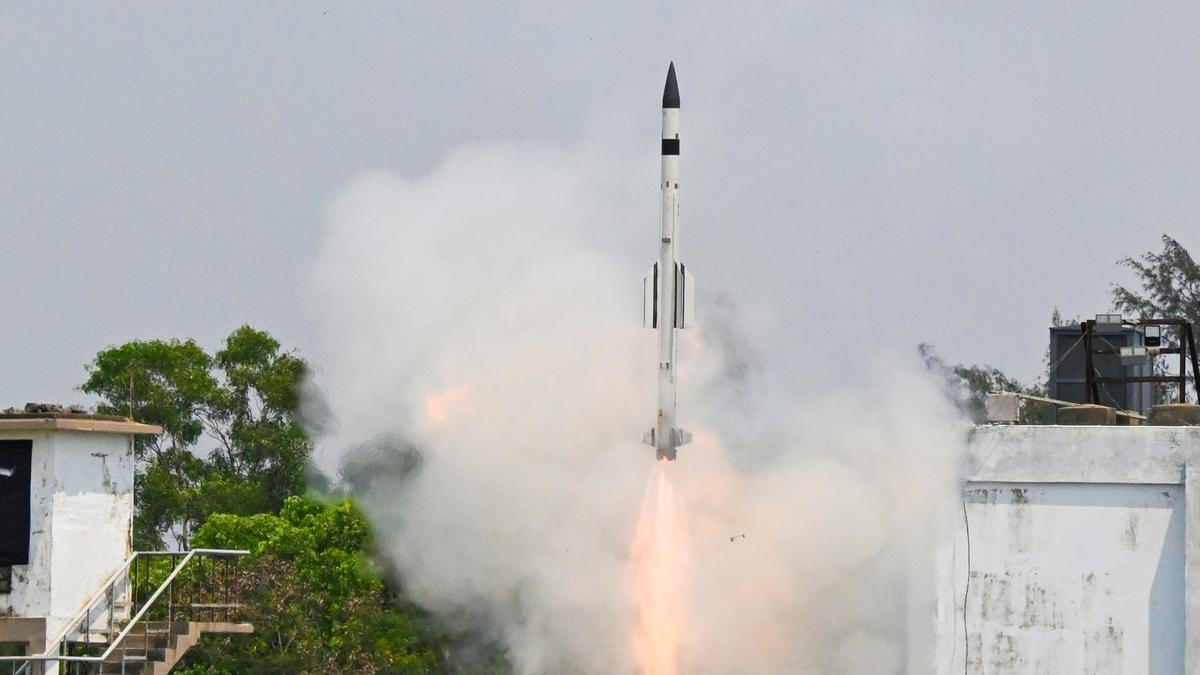
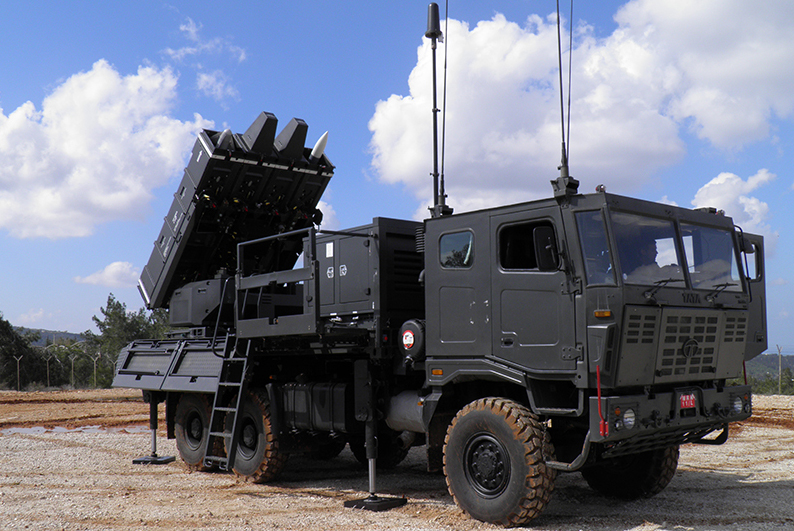
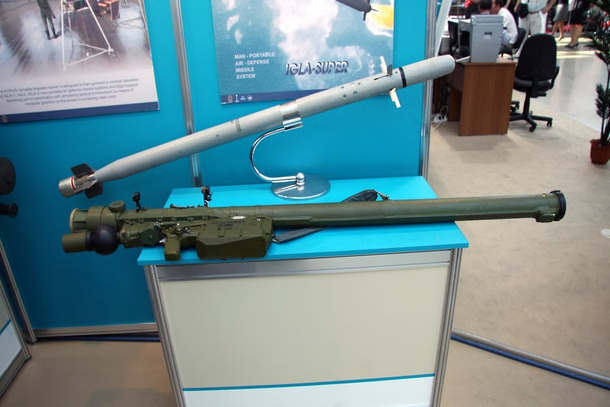
Major Indian SAM Systems

Main Components of a SAM System
-
Surveillance Radar: Continuously scans the airspace to detect incoming aerial threats at long ranges.
-
Fire-Control Radar: Precisely tracks identified targets and provides guidance data for interception.
-
Command and Control (C2) Units: Analyze threat data, prioritize targets, assign interceptors, and coordinate the overall engagement process.
-
Launchers: Ground- or ship-based platforms that store and fire interceptor missiles.
-
Interceptor Missiles: Guided missiles designed to destroy aerial threats through direct hit or proximity detonation.
-
Communication & Data Links: Enable real-time information sharing between radars, launchers, and command units for coordinated action.
Types of Targets Engaged by SAMs
Surface-to-Air Missiles (SAMs) are designed to engage a wide range of aerial threats, including fighter aircraft, bombers, attack helicopters, unmanned aerial vehicles (UAVs/drones), cruise missiles, and in advanced systems, short- and medium-range ballistic missiles. This versatility makes SAMs essential for comprehensive airspace defence in modern warfare.
-
Fighter aircraft conducting air superiority or strike missions.
-
Bomber aircraft carrying conventional or strategic payloads.
-
Helicopters Attack operating at low altitude.
-
Unmanned Aerial Vehicles (UAVs) and drones, including reconnaissance and armed variants.
-
Cruise missiles, often flying low and using terrain masking.
-
Ballistic missiles (short- and medium-range) in advanced SAM and missile defence systems.
These capabilities allow SAM systems to provide comprehensive, layered air defence against a wide spectrum of modern aerial threats.
Surface-to-Air Missiles (SAMs) Importance
-
Form the backbone of modern air defence, enabling nations to detect, track, and neutralize aerial threats before they can cause damage.
-
Protect countries from air attacks, including strikes by enemy aircraft, drones, cruise missiles, and ballistic missiles.
-
Provide strong deterrence, discouraging adversaries from attempting air intrusions or missile strikes due to high interception risk.
-
Increase the security of high-value assets, such as cities, military bases, airfields, naval fleets, and critical infrastructure.
-
Support military operations on land, by providing protective air cover to advancing or defending ground forces.
-
Enhance naval operations at sea, safeguarding warships and carrier groups from aerial and missile threats.
-
Ensure airspace control and survivability, allowing armed forces to operate with greater confidence in contested environments.
Limitations of Surface-to-Air Missiles (SAMs)
-
High cost of deployment and maintenance, especially for long-range and advanced missile defence systems.
-
Dependence on radar and sensor networks, making SAMs vulnerable if detection or tracking systems are degraded or destroyed.
-
Susceptibility to electronic warfare (EW), including jamming, spoofing, and cyber attacks that can disrupt guidance and communication.
-
Reduced effectiveness against stealth aircraft, particularly when advanced radars and multi-sensor systems are not available.
-
Limited coverage per system, requiring multiple SAM units to protect large or widely dispersed areas.
-
Vulnerability to saturation attacks, where multiple targets overwhelm the system’s interception capacity.
-
Mobility constraints for heavy systems, which can slow redeployment and increase exposure to enemy strikes.
-
Risk of collateral damage, especially in densely populated areas due to missile debris or proximity-fuse detonation.
-
Training and operational complexity, requiring skilled personnel for effective system operation and coordination.
Advantages of Surface-to-Air Missiles (SAMs)
-
High accuracy and precision, enabling effective interception of fast-moving aerial threats.
-
Rapid reaction time, allowing quick response to sudden or unexpected air attacks.
-
All-weather operational capability, ensuring reliable performance in adverse weather conditions.
-
Day-and-night operation, providing continuous air defence without interruption.
-
Reduced reliance on fighter aircraft, lowering operational costs and pilot risk for air defence missions.
-
Continuous and persistent protection, maintaining round-the-clock defence of airspace and critical assets.
-
Ability to engage multiple types of threats, including aircraft, drones, cruise missiles, and ballistic missiles.
-
Strong deterrence effect, discouraging adversaries from attempting air or missile strikes.
-
Force multiplier effect, enhancing the overall effectiveness and survivability of military forces.
Future Trends in Surface-to-Air Missile (SAM) Technology
-
AI-assisted target detection and tracking, enabling faster threat identification, prioritization, and engagement with minimal human intervention.
-
Multi-target engagement capability, allowing a single SAM system to track and intercept multiple aerial threats simultaneously, including swarm attacks.
-
Hypersonic interceptor development, designed to counter hypersonic glide vehicles and ultra-fast maneuvering missiles.
-
Advanced counter-stealth sensors, including AESA radars, passive sensors, and multi-band detection systems to improve effectiveness against stealth aircraft.
-
Integration with space-based surveillance systems, using satellites for early warning, long-range tracking, and improved situational awareness.
-
Network-centric and integrated air defence systems, enabling seamless data sharing between radars, SAM units, aircraft, and command centers.
-
Improved electronic warfare resistance, with better anti-jamming, secure communication links, and cyber-hardened systems.
-
Greater mobility and rapid deployment, ensuring survivability and flexibility in dynamic battlefield environments.
-
Enhanced precision and kill probability, through smarter seekers, better guidance algorithms, and proximity-fuse technologies.
These advancements will make future SAM systems faster, smarter, more resilient, and capable of countering next-generation aerial threats.
Conclusion
Surface-to-Air Missiles (SAMs) are a vital pillar of modern air defence, providing nations with the capability to detect, track, and neutralize a wide range of aerial threats, from aircraft and drones to cruise and ballistic missiles. By offering layered protection across different ranges and altitudes, SAM systems ensure the security of national airspace, safeguard critical military and civilian infrastructure, and enhance the survivability of armed forces during conflict.
With continuous advancements in radar, guidance, and network-centric technologies, SAMs have evolved into highly accurate, rapid-response systems that significantly reduce reliance on fighter aircraft for air defence. As aerial threats become faster, stealthier, and more complex, Surface-to-Air Missiles will remain an indispensable component of military strategy, playing a decisive role in maintaining air superiority, deterrence, and national security. For more information about missiles visit Education Masters.
सरकारी नौकरियों, जीके अपडेट्स और करेंट अफेयर्स की ताज़ा जानकारी सबसे पहले पाने के लिए:





.png)
.png)
.png)
.jpg)
.jpg)