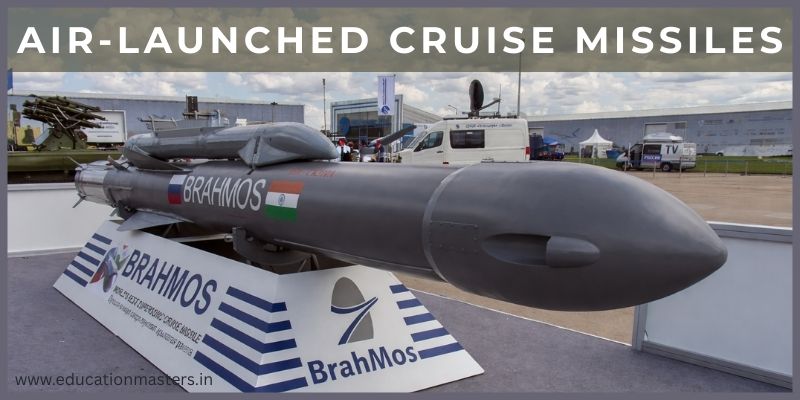
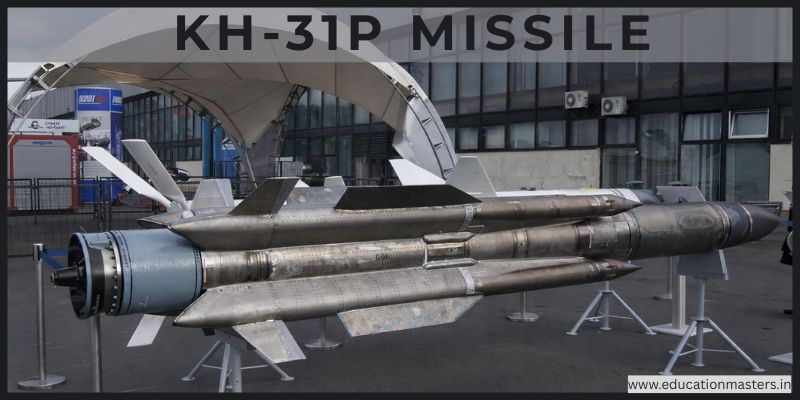
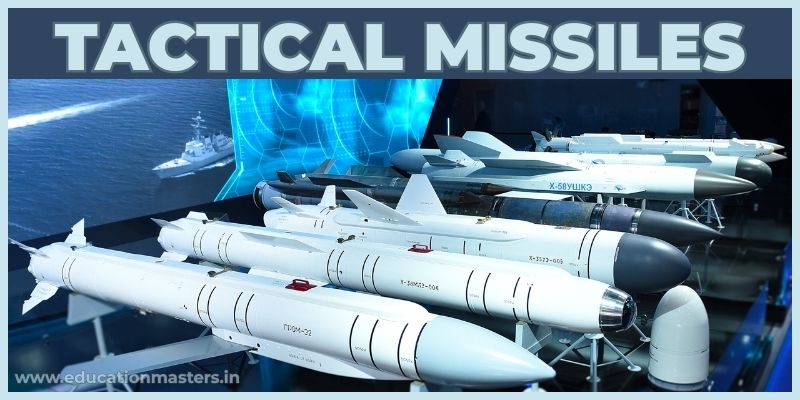
Tactical missiles are short- to medium-range, precision-guided weapons specifically designed for battlefield and theatre-level operations. Unlike strategic missiles, which focus on large-scale deterrence or counter-value targets, tactical missiles are intended to neutralize military objectives such as enemy troop concentrations, airbases, radar installations, command and control centers, logistics hubs, and armored formations during active combat. Engineered for rapid response, high accuracy, and controlled escalation, these missiles enable armed forces to deliver decisive strikes while limiting collateral damage, making them indispensable in modern, limited-intensity and high-tempo warfare.
Overview of of Tactical Missiles
|
Parameter
|
Details
|
|
Category
|
Tactical Missiles
|
|
Operational Level
|
Battlefield and theatre-level operations
|
|
Typical Range
|
50–500 km
|
|
Primary Purpose
|
Precision strikes against military and tactical targets
|
|
Target Types
|
Troops, airbases, radar sites, command centers, logistics hubs, armored units
|
|
Missile Types
|
Tactical ballistic missiles, tactical cruise missiles
|
|
Flight Profile
|
Ballistic, quasi-ballistic, or low-altitude cruise
|
|
Warhead Type
|
Primarily conventional
|
|
Launch Platforms
|
Road-mobile launchers, naval vessels, submarines, aircraft
|
|
Key Features
|
High accuracy, rapid response, mobility, controlled escalation
|
|
Operational Role
|
Battlefield dominance, quick reaction strikes, force support
|
|
Advantages
|
Precision, flexibility, survivability, lower escalation risk
|
|
Limitations
|
Limited range and payload compared to strategic missiles
|
|
Examples (India)
|
Prahaar, Pralay, Prithvi-I, Nirbhay (tactical role)
|
Key Characteristics of Tactical Missiles
• Short to Medium Operational Range
Tactical missiles typically operate within a range of 50–500 km, making them ideal for battlefield and theatre-level engagements rather than long-range strategic missions.
• High Precision and Accuracy
Equipped with advanced guidance systems, these missiles are capable of pinpoint strikes, significantly reducing collateral damage while maximizing effectiveness against military targets.
• Rapid Deployment and Response
Designed for quick launch and fast reaction, tactical missiles can be deployed rapidly to counter emerging threats or exploit time-sensitive targets.
• High Mobility for Survivability
Many tactical missile systems are road-mobile or sea-mobile, allowing them to relocate quickly, evade enemy detection, and survive counter-strikes.
• Primarily Conventional Warhead Focus
Most tactical missiles carry conventional warheads, enabling effective battlefield strikes without escalating to strategic or nuclear conflict.
• Battlefield-Oriented Targeting
Optimized to engage military and tactical infrastructure such as troop concentrations, airfields, radar stations, command centers, and logistics hubs.
Types of Tactical Missiles
a) Tactical Ballistic Missiles (TBMs)
Examples (India): Prahaar, Pralay, Prithvi-I

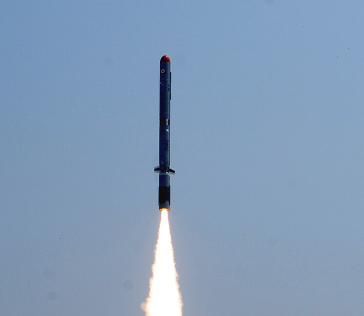
b) Tactical Cruise Missiles
-
Fly at low altitude with terrain-hugging profiles
-
Slower than ballistic missiles but stealthier
-
Suitable for precision strikes
Examples (India): Nirbhay, BrahMos (land/ship variants)
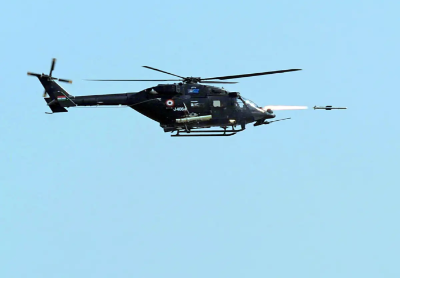
c) Tactical Anti-Tank & Anti-Ship Missiles
Examples: Nag, HELINA, BrahMos (anti-ship role)
Operational Role of Tactical Missiles
• Battlefield Dominance
Tactical missiles enable forces to neutralize enemy troop concentrations, armored formations, and forward operating bases, decisively shaping the battlefield in their favor.
• Quick Reaction Strikes
Designed for rapid deployment, tactical missiles allow commanders to respond swiftly to emerging or time-sensitive threats, providing immediate and precise firepower.
• Suppression of Enemy Defences (SEAD)
They are highly effective in destroying enemy radar systems, air-defence units, and missile launch sites, weakening adversary defensive networks and opening pathways for follow-on operations.
• Force Multiplier Across Domains
By supporting ground, air, and naval forces, tactical missiles enhance joint operations and increase the overall combat effectiveness of military formations.
• Controlled Escalation
Tactical missiles deliver decisive battlefield effects while limiting conflict escalation, allowing military objectives to be achieved without triggering full-scale strategic warfare.
Advantages of Tactical Missiles
• High Precision with Minimal Collateral Damage
Advanced guidance systems allow tactical missiles to deliver highly accurate strikes, reducing unintended damage while effectively neutralizing military targets.
• Rapid Response Capability
Compared to aircraft-based strikes, tactical missiles can be launched quickly with minimal preparation, enabling immediate action against time-sensitive threats.
• Cost-Effective Strike Option
Tactical missiles are generally less expensive than strategic missile systems and large-scale air operations, making them an economical choice for battlefield-level engagements.
• Flexible Deployment Across Multiple Platforms
They can be launched from land-based vehicles, naval platforms, submarines, or aircraft, providing commanders with multiple options to suit operational requirements.
• Ideal for Limited-Intensity Conflicts
Designed for controlled escalation, tactical missiles are well suited for modern conflicts where precision, speed, and proportional response are critical.
Limitations of Tactical Missiles
• Battlefield Dominance
Tactical missiles enable forces to neutralize enemy troop concentrations, armored formations, and forward operating bases, decisively shaping the battlefield in their favor.
• Quick Reaction Strikes
Designed for rapid deployment, tactical missiles allow commanders to respond swiftly to emerging or time-sensitive threats, providing immediate and precise firepower.
• Suppression of Enemy Defences (SEAD)
They are highly effective in destroying enemy radar systems, air-defence units, and missile launch sites, weakening adversary defensive networks and opening pathways for follow-on operations.
• Force Multiplier Across Domains
By supporting ground, air, and naval forces, tactical missiles enhance joint operations and increase the overall combat effectiveness of military formations.
• Controlled Escalation
Tactical missiles deliver decisive battlefield effects while limiting conflict escalation, allowing military objectives to be achieved without triggering full-scale strategic warfare.
Importance in Modern Warfare
Tactical missiles are crucial in network-centric and high-intensity conflicts, where speed, accuracy, and flexibility decide outcomes. They enable armed forces to dominate the battlefield, disrupt enemy operations, and maintain superiority without escalating to full-scale strategic warfare.
Conclusion
Tactical missiles constitute the backbone of modern battlefield strike capability, delivering a powerful blend of precision, speed, and operational flexibility. They enable armed forces to neutralize critical enemy targets swiftly and effectively while maintaining control over escalation in limited-conflict scenarios. As warfare continues to evolve toward high-tempo, technology-driven engagements, tactical missiles will remain indispensable tools for achieving decisive operational outcomes and sustained tactical superiority. For more information about missiles visit Education Masters.
सरकारी नौकरियों, जीके अपडेट्स और करेंट अफेयर्स की ताज़ा जानकारी सबसे पहले पाने के लिए:







.jpg)
.jpg)