
Top 10 Longest Rivers in the World | Length, Origin & Facts in Details
By pratiyushsingh2003 | — | Feb 05, 2026
Introduction to the top 10 longest rivers in the world
Earth’s most important natural features — they shape landscapes, support ecosystems, supply water for billions of people, and have played a major role in human history and civilization. The longest rivers are ranked by the total length from their most distant source to their mouth (where they empty into a sea or ocean). Because of different measurement techniques and source definitions, exact rankings can vary slightly between sources.
Rivers have played a vital role in shaping Earth’s landscapes and human civilizations for thousands of years. The world’s longest rivers are not only remarkable for their immense length but also for the life, culture, and economies they support along their banks. Flowing across continents, these rivers connect mountains to oceans, carrying fresh water, nutrients, and sediments that sustain ecosystems and agriculture.
Among the most famous long rivers are the Nile in Africa, the Amazon in South America, and the Yangtze in Asia. The Nile, often considered the longest river in the world, has been the backbone of ancient Egyptian civilization, providing fertile land in an otherwise arid region. The Amazon, while slightly shorter by some measurements, is the largest river by water volume and supports the richest biodiversity on the planet. Asia’s Yangtze River is China’s longest river and plays a crucial role in transportation, farming, and energy production.
Other notable long rivers include the Mississippi–Missouri system in North America, the Yenisei and Ob in Russia, and the Congo in Africa. Together, the world’s longest rivers highlight the power of flowing water in shaping geography, sustaining life, and influencing human history across the globe. Education Master brings you brief details on the top 10 longest rivers in the world.
1. Nile River -~6650 km
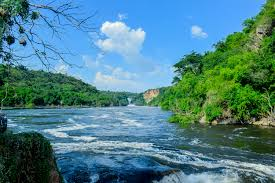
The Nile River is generally considered first in the top 10 longest rivers in the world. It flows northward through northeastern Africa into the Mediterranean Sea, creating a fertile valley in otherwise desert regions.
The river has two major tributaries — the White Nile and the Blue Nile — which meet near Khartoum. The Nile has been central to the development of ancient and modern civilizations, especially in Egypt and Sudan.
Its waters support agriculture, transportation, and millions of people across the region.
|
LENGTH |
6650 |
|
ORGIN |
Lake Victoria (White Nile) & Lake Tana (Blue Nile), Africa |
|
COUNTRIES CROSSES |
Uganda, Ethiopia, Sudan, South Sudan, Democratic Republic of the Congo, Kenya, Tanzania, Rwanda, Burundi, Eritrea, Egypt |
2. Amazon River – ~6,400 km
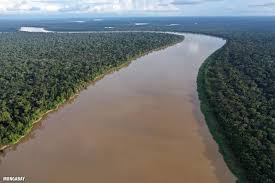
The Amazon River is the second-longest river in the top 10 longest rivers in the world and by far the largest by water discharge. It flows eastward across the South American continent into the Atlantic Ocean.
The Amazon Basin contains the largest tropical rainforest on Earth, harboring immense biodiversity. Its tributary network includes hundreds of major rivers and streams.
The river is a vital transportation route and source of freshwater for millions of people.
|
LENGTH |
6400 KM |
|
ORIGIN |
Andes Mountains (Apurímac River), Peru |
|
COUNTRIES CROSSES |
Peru, Colombia, Brazil |
3. Yangtze River – ~6,300 km
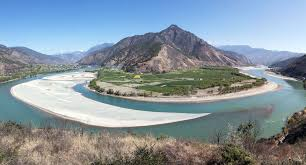
The Yangtze is the longest river in Asia and the third-longest river in the top 10 longest rivers in the world. It flows entirely within China from the Tibetan Plateau to the East China Sea near Shanghai.
The river is crucial for irrigation, transportation, and hydroelectric power
including the massive Three Gorges Dam. It supports dense populations and major cities along its course.
The Yangtze basin is also rich in plant and animal life, including several endemic species.
|
LENGTH |
6300 KM |
|
ORIGIN |
Tibetan Plateau, China |
|
COUNTRIES CROSSES |
China |
4. Mississippi–Missouri River System – ~6,270 km
This river system combines the Mississippi River with its longest tributary, the Missouri River, creating one of the world’s longest continuous river systems.
It drains much of the central United States and flows into the Gulf of Mexico. The river network has been a backbone for U.S. agriculture, transport, and settlement. Major cities like St. Louis, Memphis, and New Orleans rose along its banks.
Its floodplain supports fertile farmland and diverse ecosystems.
|
LENGTH |
6270 KM |
|
ORIGIN |
Missouri River headwaters (Rocky Mountains, USA) |
|
COUNTRIES CROSSES |
United States (mainly) and a small portion in Canada |
5. Yenisei–Angara–Selenga – ~5,539 km
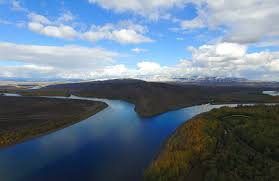
The Yenisei River system flows from Mongolia into central Siberia, eventually reaching the Arctic Ocean. It is one of the major Arctic-draining rivers of the world.
The basin cuts through remote taiga and tundra landscapes and supports hydroelectric projects like the Krasnoyarsk Dam.
The river is ice-bound for much of the year but plays a vital role in regional transportation and ecology.
|
LENGTH |
5539 KM |
|
ORIGIN |
Sayan Mountains, Mongolia (Selenga) & later joins with Angara and Yenisei, Russia |
|
COUNTRIES CROSSES |
Mongolia, Russia |
6. Yellow River (Huang He) – ~5,464 km
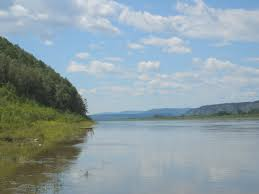
The Yellow River, or Huang He, is China’s second-longest river and is often considered the cradle of Chinese civilization.
It winds across northern China into the Bohai Sea, carrying huge amounts of loess sediment that give it a distinct yellow color. Its basin has supported agriculture and settlement for thousands of years.
However, the river is also known for devastating floods and frequent course changes throughout history.
|
LENGTH |
5464 KM |
|
ORIGIN |
Bayan Har Mountains, Qinghai Province, China |
|
COUNTRIES CROSSES |
China |
7. Ob–Irtysh River – ~5,410 km
The Ob–Irtysh river system drains a vast part of western Siberia into the Arctic Ocean. The Irtysh starts in China and flows through Kazakhstan before merging with the Ob, which continues northward.
The river network supports forest and wetland ecosystems and is important for regional transport and fisheries. The basin experiences long, harsh winters with ice cover for much of the year.
|
LENGTH |
5410 KM |
|
ORIGIN |
Altai Mountains (Irtysh), merging with the Ob in Russia |
|
COUNTRIES CROSSES |
China, Kazakhstan, Russia |
8. Paraná–Rio de la Plata System – ~4,880 km
This river system includes the Parana River and flows into the Río de la Plata estuary on the Atlantic Ocean. It is the longest river system in South America after the Amazon.
The Paraná basin supports major agriculture and urban centers like Buenos Aires and São Paulo. The system also includes important hydroelectric dams such as Itaipu.
The estuary is one of the world’s largest, with rich fisheries and trade routes.
|
LENGTH |
4880 KM |
|
ORGIN |
Confluence of the Paranaiba and Grande Rivers, Brazil |
|
COUNTRIES CROSSES |
Brazil, Paraguay, Argentina, Uruguay, Bolivia |
9. Congo River – ~4,700 km
The Congo River is the deepest river in the world and Africa’s second-longest. It winds through dense tropical rainforest before draining into the Atlantic.
The Congo Basin is Africa’s largest rainforest and hosts enormous biodiversity. The river has powerful rapids and waterfalls, making navigation difficult in some sections.
It remains central to transportation, fishing, and cultural life in central Africa.
|
LENGTH |
4770 KM |
|
ORIGIN |
Chambeshi River, Zambia |
|
COUNTRIES CROSSES |
Democratic Republic of the Congo, Republic of the Congo, Angola, Central African Republic, Tanzania, Cameroon, Zambia, Burundi, Rwanda |
10. Amur–Argun River – ~4,444 km
The Amur River flows eastward along the Russia–China border before reaching the Sea of Okhotsk.
It marks a major natural boundary and supports rich floodplain ecosystems with hundreds of fish species and migratory birds.
The river’s basin is important for agriculture, fishing, and regional trade. It has cultural significance for indigenous peoples and links to historic trade routes.
| LENGTH | 4444 KM |
| ORGIN | Confluence of Argun and Shilka Rivers, Russia/Mongolia border |
| COUNTRY CROSSES | Russia, China, Mongolia |
Conclusion: Top 10 Longest Rivers in the World
In conclusion, the top 10 longest rivers in the world highlight the incredible diversity and power of Earth’s freshwater systems. Rivers like the Nile, Amazon, Yangtze, and Mississippi play a vital role in supporting ecosystems, agriculture, transportation, and human civilization. These longest rivers in the world not only shape landscapes but also influence climate and cultural development across continents. Understanding their length, origin, and importance helps us appreciate the need for river conservation and sustainable water management. Protecting these iconic rivers is essential for maintaining biodiversity and ensuring water security for future generations.
Frequently Asked Questions (FAQs)
1. Which is the longest river in the world?
The Nile River is generally considered the longest river on Earth, stretching about 6,650 km through northeastern Africa.
Note: Some studies and debates suggest the Amazon might be slightly longer depending on how its source is defined, but most authoritative lists still place the Nile at #1.
2. Which is the second-longest river?
The Amazon River in South America is the second-longest at about 6,400 km and is the largest river in the world by volume of water discharged.
3. Why do lengths of rivers vary in different lists?
River length can change depending on:
Where the source is defined.
Whether tributary systems are included.
Natural changes in the river over time (e.g., course shifts or new channels).
4. Does the longest river also carry the most water?
No. While the Nile is longest, the Amazon River carries more water than any other river in the world — over 20% of all freshwater that flows into the oceans.
5. Which continent has the most of the top longest rivers?
Asia hosts several of the longest rivers, including the Yangtze, Yellow (Huang He), Yenisei, Ob–Irtysh, and parts of the Amur–Argun system.
6. Why are rivers important to human societies?
Rivers provide:
Drinking water and irrigation for agriculture.
Transportation and trade routes.
Hydropower for electricity.
Habitats for diverse plants and animals.
Cultural and historical identities for many civilizations
7. What are the top 10 longest rivers in the world?
-
Nile River (Africa)
-
Amazon River (South America)
-
Yangtze River (China)
-
Mississippi–Missouri River System (USA)
-
Yenisey River (Russia)
-
Yellow River / Huang He (China)
-
Ob–Irtysh River (Russia–Kazakhstan–China)
-
Paraná River (South America)
-
Congo River (Africa)
-
Amur River (Asia)
8. What are the top 10 longest rivers in the world with their length?
1.Nile River (Africa) – ~6,650 km
2.Amazon River (South America) – ~6,400 km
3.Yangtze River (China) – ~6,300 km
4.Mississippi–Missouri River System (USA) – ~6,275 km
5.Yenisey River (Russia) – ~5,539 km
6.Yellow River / Huang He (China) – ~5,464 km7.Ob–Irtysh River (Russia–Kazakhstan–China) – ~5,410 km
8.Paraná River (South America) – ~4,880 km
9.Congo River (Africa) – ~4,700 km
10.Amur River (Asia) – ~4,444 km
सरकारी नौकरियों, जीके अपडेट्स और करेंट अफेयर्स की ताज़ा जानकारी सबसे पहले पाने के लिए:
-
हमारे WhatsApp चैनल को फॉलो करें:
https://whatsapp.com/channel/0029Vb6sjZz0wajwDXcd5B0U -
हमारे Telegram चैनल को फॉलो करें:
https://t.me/educationmastersin -
हमारे Facebook Page को फॉलो करें:
https://www.facebook.com/educationmastersindia


Share this Post
(इस पोस्ट को अपने दोस्तों के साथ शेयर करना ना भूले)Posts in Other Categories


Latest Posts
Top 10 Longest Rivers in the World | Length, Ori ...
Feb 05, 2026

JEE Main 2026 Session 1 Answer Key Out @ jeemain ...
Feb 04, 2026
.jpg)
.jpg)