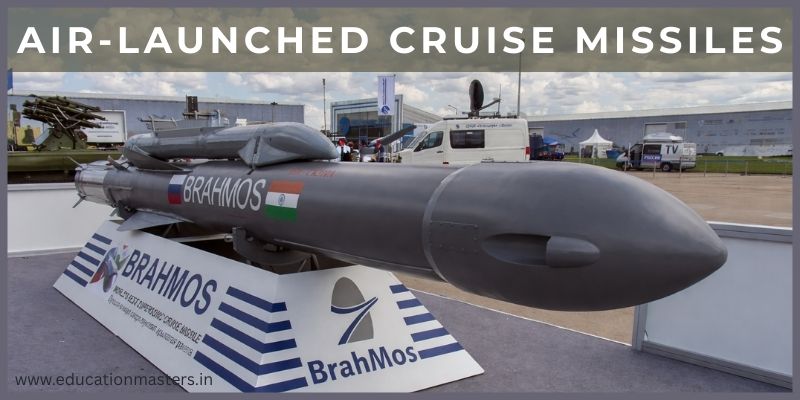
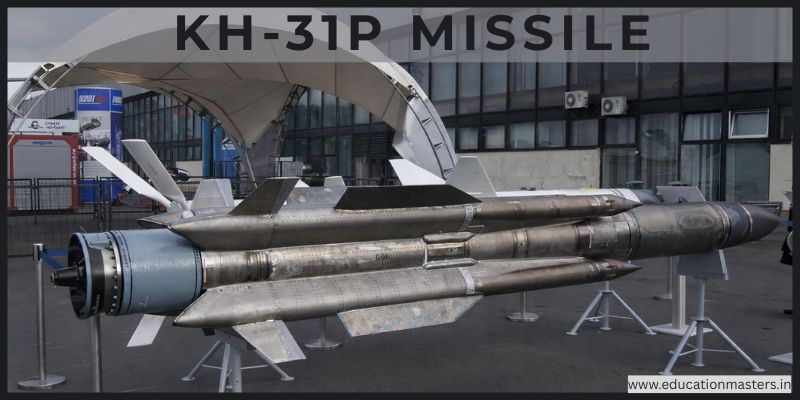
1. Surface-to-Surface Cruise Missiles (SSM) of India — Based on Mission Role
India’s surface-to-surface cruise missiles play a crucial role in precision strike missions under diverse battlefield conditions. These missiles provide high accuracy, stealthy flight, and long-range engagement capability, helping India strengthen tactical and strategic deterrence. Below are the key Indian SSCMs categorized according to their mission role:
A. Land-Attack Cruise Missiles (LACM)
Land-Attack Cruise Missiles (LACMs) are long-range, precision weapons designed to strike high-value land targets deep inside enemy territory. Flying at low, terrain-hugging altitudes, they evade radar and air defences while maintaining high accuracy.
|
Missile Name
|
Type
|
Range
|
Speed
|
Launch Platform
|
Key Features
|
|
Nirbhay missile
|
Subsonic LACMs
|
1,000 km (planned)
|
Mach 0.7
|
Ground launcher
|
Terrain-hugging, long-range, high accuracy, multiple warheads
|
|
BrahMos missile – Land Attack Variant
|
Supersonic LACMs
|
450–500 km
|
Mach 2.8–3.0
|
Mobile ground launcher
|
Very high speed, precision strike, deep penetration
|
|
ITCM (Nirbhay successor)
|
Subsonic LACMs
|
1,000+ km (target)
|
Subsonic
|
Ground launcher
|
Indigenous turbofan engine (Manik), improved reliability
|
|
BrahMos missile-NG (future)
|
Supersonic LACMs
|
300+ km
|
Mach 3
|
Ground launcher
|
Lighter, compact, more versatile seeker
|
B. Anti-Ship Cruise Missiles (ASCM) – Surface-Launched
Surface-launched Anti-Ship Cruise Missiles (ASCMs) are guided missiles designed to strike enemy warships from ships, coastal batteries, or land-based launchers. They fly at low, sea-skimming altitudes to avoid detection and use advanced navigation and radar seekers for accurate targeting. Their long range, high precision, and ability to evade defences make them essential for naval strike, sea denial, and coastal protection.
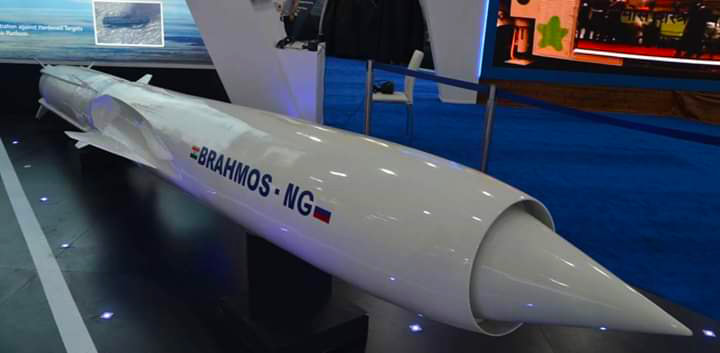
|
Missile Name
|
Type
|
Range
|
Speed
|
Launch Platform
|
Key Features
|
|
BrahMos missile Coastal Defence Variant
|
Supersonic ASCMs
|
290–450+ km
|
Mach 2.8–3.0
|
Coastal/mobile land launcher
|
Sea-skimming, anti-ship strike, high survivability
|
|
BrahMos missile-NG (ASCMs future)
|
Supersonic
|
300+ km
|
Mach 3
|
Land coastal battery
|
Smaller, improved target tracking and low RCS
|
C. Anti-Submarine Cruise-Type Missiles (ASW Missile-Torpedo Systems)
Anti-Submarine Cruise-Type Missiles are hybrid weapons that combine the speed of a missile with the underwater hunting ability of a torpedo. Launched from ships, submarines, or aircraft, the missile quickly travels toward the suspected submarine location and then releases a lightweight torpedo into the water. This allows navies to attack submarines at long ranges, react faster, and engage threats beyond the reach of traditional torpedoes. These systems greatly strengthen fleet defence, sea control, and anti-submarine warfare.
|
Missile / System
|
Type
|
Range
|
Speed
|
Launch Platform
|
Key Features
|
|
SMART missile(Supersonic Missile Assisted Release of Torpedo)
|
Long-range ASW missile
|
643 km
|
Supersonic
|
Ground/coastal launcher
|
Carries lightweight torpedo; long-range anti-submarine strike
|
|
91RE1 (Klub Family – operated by India)
|
ASW missile (torpedo delivery)
|
50 km
|
Supersonic terminal phase
|
Ship & submarine launch
|
Rapid torpedo delivery to submarine’s location
|
2. SSM Cruise Missiles of India — Based on Speed Category
India deploys a variety of surface-to-surface cruise missiles that differ in speed, range, and mission profile. Categorizing them based on speed helps in understanding their strike capability, reaction time, and survivability against enemy air defences.
A. Subsonic Cruise Missiles (Below Mach 1)
These missiles fly slower than the speed of sound but offer long range, stealth, and fuel efficiency. Their terrain-hugging flight path makes detection difficult.
|
Missile Name
|
Type
|
Range
|
Speed
|
Launch Platform
|
Key Features
|
|
Nirbhay
|
Subsonic LACM
|
1,000 km
|
Mach 0.7
|
Ground launcher
|
Terrain-hugging, long-range, high accuracy
|
|
ITCM (Nirbhay Successor)
|
Subsonic LACM
|
1,000+ km (target)
|
Subsonic
|
Ground launcher
|
Indigenous engine (Manik STFE), improved reliability
|
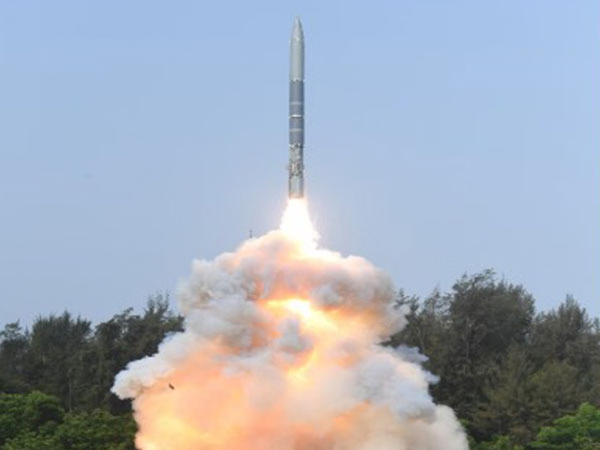
B. Supersonic Cruise Missiles (Mach 1–3)
These missiles travel faster than the speed of sound, reducing enemy reaction time and making interception extremely difficult.
|
Missile Name
|
Type
|
Range
|
Speed
|
Launch Platform
|
Key Features
|
|
BrahMos – Land Attack Variant
|
Supersonic LACM
|
450–500 km
|
Mach 2.8–3.0
|
Mobile ground launcher
|
Ultra-fast, precision strike, low reaction time
|
|
BrahMos – Coastal Defence (ASCM)
|
Supersonic ASCM
|
290–450 km
|
Mach 2.8–3.0
|
Coastal/land launcher
|
Sea-skimming anti-ship capability
|
|
BrahMos-NG (Future)
|
Next-gen Supersonic (LACM/ASCM)
|
300+ km
|
Mach 3
|
Ground launcher (future)
|
Compact, lighter, multi-role
|
|
SMART (Supersonic Missile-Assisted Release of Torpedo)
|
Supersonic ASW Missile
|
643 km
|
Supersonic
|
Ground/coastal launcher
|
Long-range torpedo delivery for ASW
|
|
91RE1 (Klub Family)
|
Supersonic ASW Missile
|
50 km
|
Supersonic terminal phase
|
Ships & submarines
|
Rocket-delivered torpedo; fast ASW strike
|
C. Hypersonic Cruise Missiles (Mach 5+)
India is developing next-generation hypersonic weapons for extremely fast, long-range, and high-survivability strike missions.
BrahMos-II (Under Development)
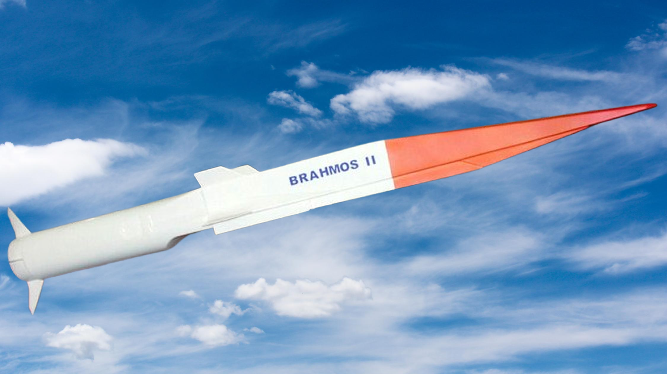
(Not yet operational; part of India’s future hypersonic program.)
3. SSM Cruise Missiles of India — Based on Launch Platform
India deploys highly versatile cruise missiles capable of being launched from multiple platforms, giving the armed forces flexibility in strike operations on land and at sea. Below is the classification of India’s Surface-to-Surface Cruise Missiles based on their launch platforms.
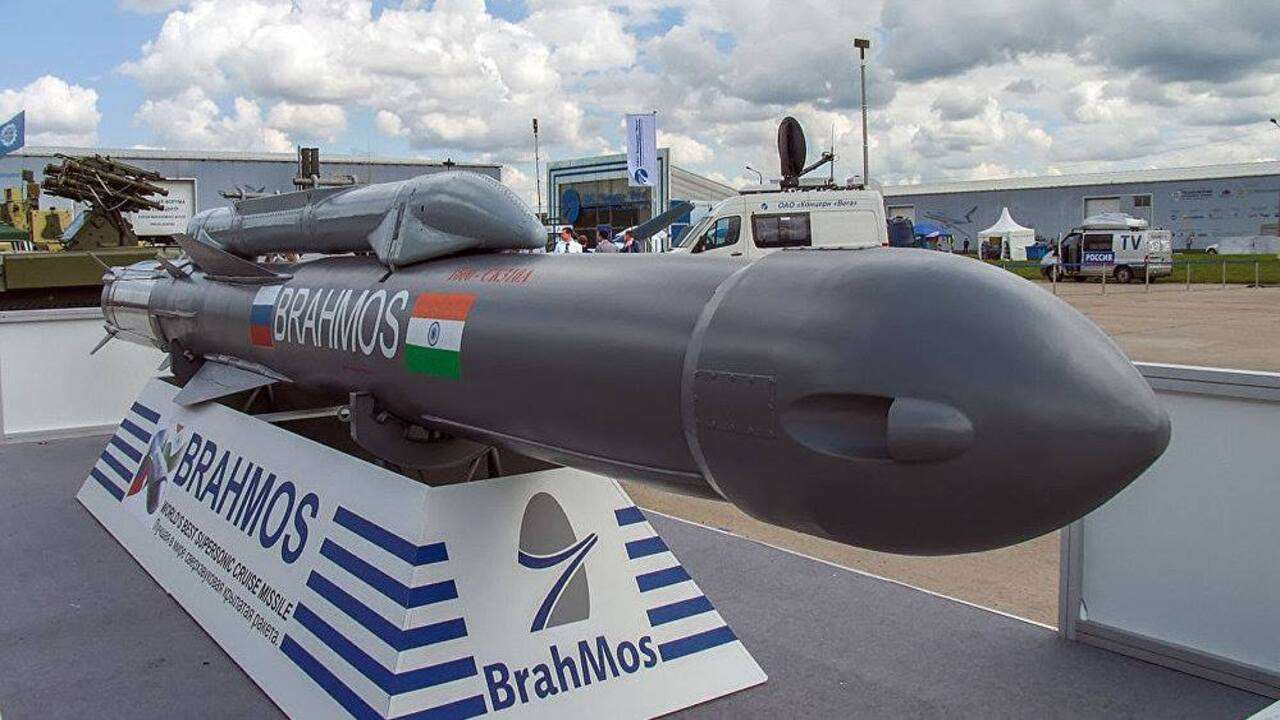
A. Ground-Launched Cruise Missiles (GLCM)
(Launched from land-based mobile launchers or coastal batteries)
These missiles are fired from ground-based mobile launchers, offering rapid deployment and deep-strike capability.
|
MISSILE NAME
|
TYPE
|
RANGE
|
SPEED
|
KEY FEATURES
|
|
NIRBHAY
|
Subsonic lacm
|
1,000 km
|
Mach 0.7
|
long-range, low-altitude flight, terrain-hugging
|
|
ITCM (NIRBHAY SUCCESSOR)
|
Subsonic lacm
|
1,000+ km
|
Subsonic
|
indigenous engine (manik), improved reliability
|
|
BRAHMOS – LAND ATTACK VARIANT
|
Supersonic lacm
|
450–500 km
|
Mach 2.8–3.0
|
very fast, deep penetration, precision strike
|
|
BRAHMOS – COASTAL DEFENCE VARIANT
|
Supersonic ascm
|
290–450 km
|
Mach 2.8–3.0
|
anti-ship coastal battery, sea-skimming
|
|
SMART (ASW MISSILE)
|
Supersonic asw system
|
643 km
|
Supersonic
|
delivers lightweight torpedo to long-range asw targets
|
|
BRAHMOS-NG (FUTURE)
|
Supersonic lacm/ascm
|
300+ km
|
Mach 3
|
smaller, lighter, for multi-platform use
|
B. Ship-Launched Cruise Missiles (Surface Ship Launchers)
(Not strictly SSM from land, but India’s cruise missile inventory includes these)
These cruise missiles are deployed from surface warships, forming a major part of India’s maritime strike capability.

|
Missile Name
|
Type
|
Range
|
Speed
|
Key Features
|
|
BrahMos (Ship Variant)
|
Supersonic ASCM/LACM
|
290–450+ km
|
Mach 2.8–3.0
|
Primary naval strike weapon of Indian Navy
|
|
91RE1 (Klub Family ASW Missile)
|
ASW missile
|
50 km
|
Supersonic terminal
|
Rocket-propelled torpedo delivery system
|
C. Submarine-Launched Cruise Missiles (SLCM)
(Cruise-type torpedo delivery systems launched underwater)
Missiles launched from submerged submarines provide stealth-based, underwater strike capability.
BrahMos Submarine-Launched Variant (Tested Concept)
-
Launch Platform: Standard submarine torpedo tube / VLS module
-
Features: Supersonic speed, stealthy underwater launch
-
Role: Anti-ship and land-attack missions
-
(Not yet fully operational but validated in trials.)
Conclusion
India’s surface-to-surface cruise missiles, deployed across land, naval, and submarine platforms, form a powerful and flexible strike capability for the nation’s armed forces. From long-range subsonic systems like Nirbhay Missile to high-speed multipurpose variants of BrahMos Missile, these missiles ensure precision engagement, rapid response, and strategic reach across diverse terrains and maritime zones. The inclusion of advanced systems like SMART further enhances India’s anti-submarine warfare depth. Together, this multi-platform cruise missile architecture significantly strengthens India’s deterrence posture, operational readiness, and ability to conduct high-impact operations in the air, land, and sea domains. For more information about missiles visit Education Masters.
सरकारी नौकरियों, जीके अपडेट्स और करेंट अफेयर्स की ताज़ा जानकारी सबसे पहले पाने के लिए:

.jpg)




.png)
.jpg)
.jpg)