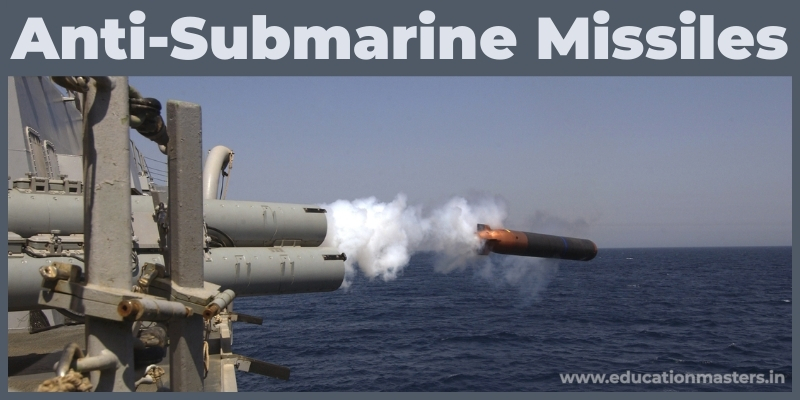
Anti-Submarine Cruise-Type Missiles, also known as ASW missile-torpedo systems, are specialized long-range anti-submarine warfare weapons designed to detect, track, and destroy hostile submarines from a safe standoff distance. Unlike traditional ship-launched torpedoes that must be fired close to the target, these systems use a missile to rapidly carry a lightweight torpedo or depth charge to the suspected submarine’s location and then release it into the water to complete the attack.After launch from a surface ship, submarine, or land-based platform, the missile flies at high or subsonic/supersonic speeds to a predefined location. Once it reaches the designated area above the submarine, the payload separates and enters the sea.
The torpedo then activates its sonar guidance system, searching for and homing in on the target submarine. This combination of missile speed and torpedo precision makes the system extremely effective against both conventional and nuclear-powered submarines.These weapons use data from sonars, maritime patrol aircraft, satellites, or unmanned underwater vehicles for accurate targeting. They play a critical role in naval defence, protecting aircraft carriers, strategic ports, naval task groups, and undersea communication lines. By extending the reach of anti-submarine forces far beyond conventional torpedoes, ASW missile-torpedo systems significantly enhance detection, deterrence, and rapid-response capabilities in modern naval warfare.
Overview of Anti-Submarine Cruise-Types Missiles
|
Feature
|
Details
|
|
Full Name
|
Anti-Submarine Cruise-Type Missiles (ASW Missile–Torpedo Systems)
|
|
Purpose
|
Destroy enemy submarines at long range
|
|
Primary Payload
|
Lightweight torpedo / depth charge
|
|
Launch Platforms
|
Surface ships, submarines, coastal bases
|
|
Guidance (Missile)
|
INS / GPS / inertial navigation
|
|
Guidance (Torpedo)
|
Active & Passive Sonar homing
|
|
Target
|
Conventional & nuclear-powered submarines
|
|
Range
|
Much longer than traditional torpedoes
|
|
Flight Pattern
|
Missile flies → drops torpedo into water
|
|
Main Role
|
Anti-submarine warfare (ASW)
|
Key Features of Anti-Submarine Cruise-Types Missiles
-
Long-range anti-submarine attack capability
-
Missile + torpedo combination system
-
High-speed delivery to target area
-
Accurate sonar-guided homing torpedo
-
Works in deep and shallow waters
-
Can be fired from multiple platforms
-
Reduced risk to the launching vessel
-
Suitable for modern naval warfare
How It Works (Operating Process)
1. Enemy submarine detected by sonar / aircraft / satellite
The process begins when a hostile submarine is detected by ship-mounted sonar, maritime patrol aircraft, helicopters, or even satellite-based tracking systems. These platforms identify the submarine’s approximate location and movement pattern.
2. Missile is launched from ship, submarine, or land vehicle
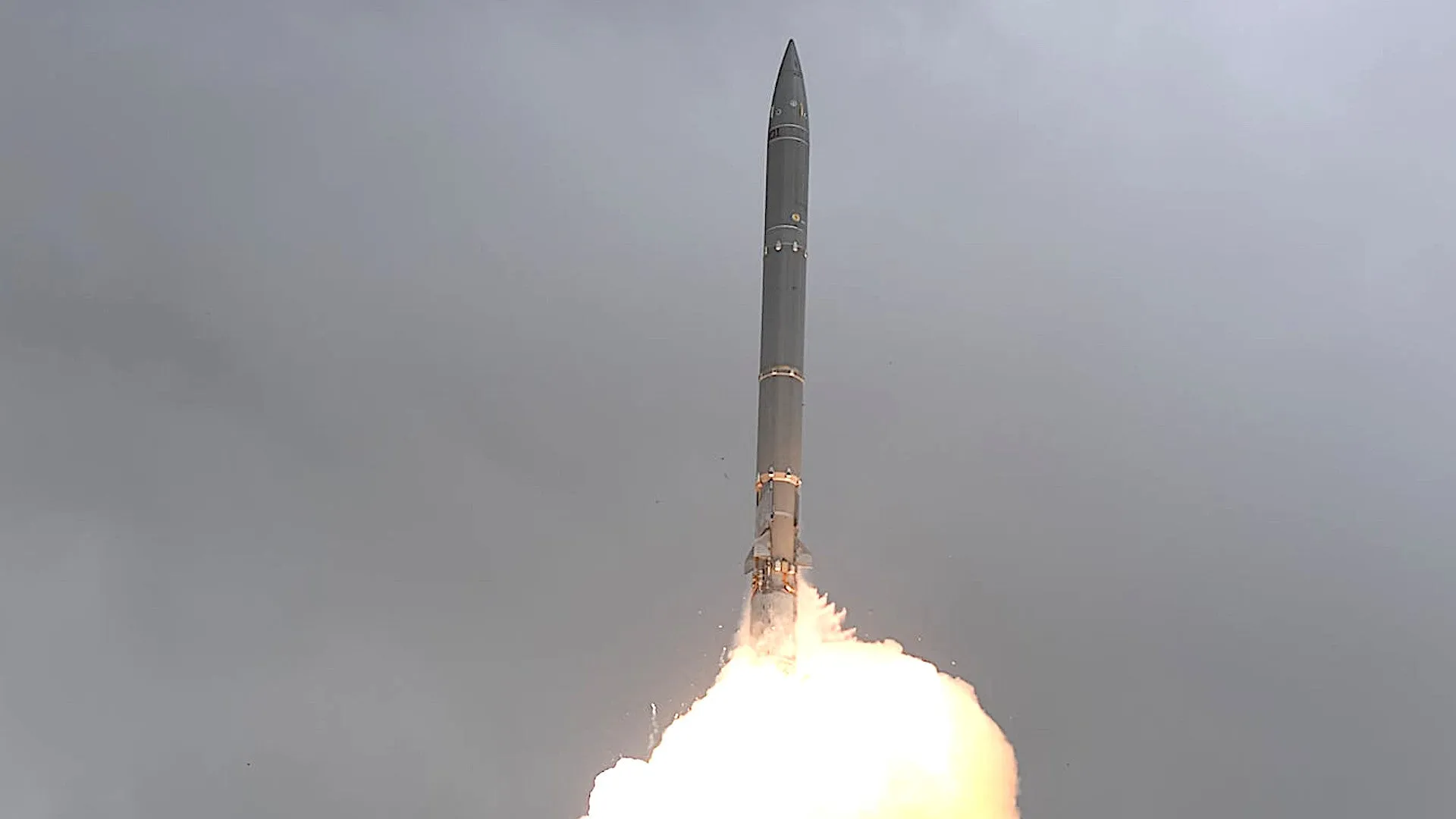
Once the target data is confirmed, an ASW missile—such as India’s SMART system—is launched from a warship, coastal battery, or submarine. The missile carries a lightweight torpedo or depth charge as its payload.
3. Missile flies fast to the target location
The missile travels at high speed toward the submarine’s suspected position. Unlike a torpedo, which moves slowly underwater, the missile covers the distance quickly through the air, reducing the enemy submarine’s chance to escape.
4. Torpedo or depth charge is released into the sea
When the missile reaches the designated point above the target area, it deploys the payload. The torpedo or depth charge is released using a parachute system that stabilizes its descent and ensures proper entry into the water.
5. Torpedo activates sonar and searches for the submarine
Once submerged, the torpedo activates its active and passive sonar systems, scanning the underwater environment. It begins navigating through the water, searching for acoustic signatures of the enemy submarine.
6. Torpedo locks and destroys the target
After locating the submarine, the torpedo homes in on it automatically. Using sonar guidance and onboard computing, it locks onto the target and detonates on impact or proximity, neutralizing the submarine.
This system gives long-range, rapid strike capability compared to traditional torpedoes.
Roles & Operational Importance
-
Protects naval fleets and aircraft carriers
-
Defends coastal areas from submarine threats
-
Guards important sea routes & ports
-
Acts as a strong underwater deterrent
-
Ensures dominance in undersea warfare
-
Supports multi-layer naval defense strategy
AWS Missiles of India
|
Missile / System
|
Type
|
Range
|
Speed
|
Launch Platform
|
Key Features
|
|
SMART (Supersonic Missile Assisted Release of Torpedo)
|
Long-range ASW missile
|
643 km
|
Supersonic
|
Ground/coastal launcher
|
Carries lightweight torpedo; long-range anti-submarine strike
|
|
91RE1 (Klub Family – operated by India)
|
ASW missile (torpedo delivery)
|
50 km
|
Supersonic terminal phase
|
Ship & submarine launch
|
Rapid torpedo delivery to submarine’s location
|
Advantages of Anti-Submarine Cruise-Types Missiles
1. Greater attack range than normal torpedoes
Traditional torpedoes must be launched relatively close to the target, but ASW missile–torpedo systems can deliver a torpedo over much longer distances by carrying it through the air. This greatly extends the attack envelope and allows submarines or ships to strike threats far beyond the reach of conventional torpedoes.
2. Faster response time
Because the missile travels at high speed, it reaches the target area far faster than a torpedo moving underwater. This rapid delivery reduces the submarine’s chance to escape and allows quick reaction during high-threat situations.
3. More accurate submarine targeting
Once released, the torpedo uses advanced sonar guidance to identify and home in on the submarine. This two-phase system—missile delivery plus torpedo homing—improves overall accuracy compared to relying on a torpedo alone.
4. Keeps ships and submarines at safe distance
Using a missile to deliver the torpedo allows the launching platform (ship or submarine) to remain far from the danger zone. This reduces the risk of counterattack by enemy submarines or torpedoes and improves the survivability of friendly forces.
5. Very effective for fleet protection
ASW missile systems provide a strong defensive layer around naval fleets, especially carrier groups or amphibious task forces. They enable fast, long-range engagement of underwater threats, significantly enhancing fleet security.
6. Works in both open ocean and coastal waters
These systems are versatile and can operate effectively in deep ocean environments as well as shallow coastal regions, where conventional ASW methods may struggle. This makes them valuable in diverse maritime operations.
Limitations of ASW Missile–Torpedo Systems
1. Requires accurate target detection
ASW missiles depend heavily on external sensors—sonar, aircraft, or satellites—to pinpoint the submarine’s location. If the initial data is inaccurate, the torpedo may be released too far from the target.
2. Expensive and complex technology
These systems involve advanced missiles, guidance units, parachute deployment systems, and smart torpedoes, making them costly compared to conventional ASW methods.
3. Vulnerable to submarine countermeasures
Submarines can deploy decoys, noise generators, and evasive maneuvers to confuse the torpedo’s sonar, reducing the chance of a successful hit.
4. Limited effectiveness in noisy or cluttered waters
Areas with high underwater traffic, rocky coastlines, or complex acoustic environments may degrade sonar performance and reduce torpedo accuracy.
5. Depends on favorable weather & sea conditions for optimal launch
While versatile, extreme sea states, storms, or high winds can affect missile launch stability or accurate delivery of the torpedo.
6. Torpedo has limited underwater speed compared to the missile
Even though the missile travels quickly, the torpedo still moves slower underwater, giving submarines time to attempt evasive actions after deployment.
Conclusion
Anti-Submarine Cruise-Type Missiles represent a major advancement in modern naval warfare by combining the speed of a missile with the precision of a homing torpedo. Their extended range, rapid response, and high accuracy make them far more effective than traditional torpedo-only systems. By allowing ships and submarines to engage underwater threats from a safe distance, these systems significantly improve fleet protection and strengthen both coastal and blue-water defence capabilities. Their ability to operate efficiently in deep oceans and shallow coastal regions makes them versatile tools in any maritime security environment. Overall, ASW missile–torpedo systems provide a powerful, reliable, and essential layer of anti-submarine defense in today’s evolving naval landscape. For more information about missiles visit Education Masters.
सरकारी नौकरियों, जीके अपडेट्स और करेंट अफेयर्स की ताज़ा जानकारी सबसे पहले पाने के लिए:




.png)
.jpg)
.jpg)