Intermediate-Range Ballistic Missiles (IRBMs) are a class of ballistic missiles designed to strike targets at distances between 3,500 km and 5,500 km, placing them between Medium-Range Ballistic Missiles (MRBMs) and Intercontinental Ballistic Missiles (ICBMs). They are primarily intended for regional and intercontinental strategic deterrence, providing the capability to reach distant targets while maintaining mobility and rapid deplorability.Intermediate-Range Ballistic Missiles (IRBMs) can carry nuclear or conventional warheads, and many modern systems are equipped with advanced guidance technologies such as inertial navigation, satellite navigation, and sometimes manoeuvrable re-entry vehicles (Marv’s) for increased survivability and accuracy.
These missiles can be launched from road-mobile platforms, fixed silos, or submarine-based launchers, offering both flexibility and strategic survivability. Strategically, IRBMs enhance a nation’s deterrence capability, enabling it to project power beyond immediate regional borders and maintain a credible second-strike option. They are an integral part of a country’s ballistic missile arsenal, bridging the gap between regional strike systems and long-range continental deterrence, and often play a key role in maintaining regional security and strategic stability.
Overview of Intermediate-Range Ballistic Missiles (IRBMs)
|
Parameter
|
Details
|
|
Type
|
Ballistic Missile
|
|
Range
|
3,500Km to 5,500 kilometers
|
|
Category
|
Intermediate-Range (between MRBM and ICBM)
|
|
Warhead Type
|
Capable of Nuclear, conventional, or dual-capable
|
|
Fuel Type
|
Solid-fuel, liquid-fuel, or hybrid (varies by missile)
|
|
Launch Platforms
|
Road-mobile TELs, fixed silos, submarine-based platforms
|
|
Guidance System
|
Inertial navigation, satellite-assisted, sometimes terminal guidance
|
|
Flight Profile
|
High-altitude ballistic trajectory, some with manoeuvrable re-entry vehicles
|
|
Speed
|
Supersonic to hypersonic
|
|
Accuracy
|
Medium to high (depending on guidance technology)
|
|
Strategic Role
|
Regional and intercontinental deterrence, rapid-response strikes
|
Key Features of Intermediate-Range Ballistic Missiles (IRBMs)
-
Intermediate Range: 3,500 – 5,500 km, bridging MRBMs and ICBMs.
-
High Speed: Supersonic to hypersonic, reducing enemy reaction time.
-
Advanced Guidance: Inertial navigation, satellite-assisted, sometimes terminal guidance for high accuracy.
-
Versatile Warheads: Capable of carrying nuclear, conventional, or dual-capable payloads.
-
Multiple Launch Platforms: Road-mobile TELs, fixed silos, and sometimes submarine-based launchers.
-
Propulsion: Solid-fuel, liquid-fuel, or hybrid systems for reliable performance.
-
Ballistic Flight Profile: High-altitude trajectory; some with manoeuvrable re-entry vehicles (Marv’s).
-
Strategic Role: Regional and intercontinental deterrence, supporting second-strike capability.
Advantages of IRBMs
-
Covers long distances without needing intercontinental systems
-
Response time is faster than aircraft (superior reaction)
-
Strong deterrence capability
-
More mobile than fixed long-range missiles
Types of Intermediate-Range Ballistic Missiles (IRBMs) in India
|
Missile Name
|
Range
|
Type
|
Launch Platform
|
Fuel Type
|
Features / Details
|
|
Agni-III
|
3,000–3,500 kilometers
|
IRBM
|
Road & rail-mobile
|
Solid-fuelled
|
Two-stage missile; high payload capacity; designed for long-range regional targets
|
|
Agni-IV
|
4,000 km
|
IRBM
|
Road-mobile
|
Solid-fuelled
|
Enhanced composite materials; improved navigation; higher accuracy
|
|
Kalam‑4/K-4 Missile
|
3,500 kilometers
|
ICBM for Intermediate-Range Ballistic Missile (IRBM)
|
Nuclear-powered submarines Arihant-class
|
Solid-fuelled
|
Submarine-launched, stealthy deployment
- Long-range IRBM capability
|
Agni-III Missile
Agni-III is an intermediate-range ballistic missile (IRBM) developed by India with a range of around 3,000–3,500 km. It is a two-stage, solid-fuel missile designed to carry nuclear or conventional warheads with high accuracy. Known for its powerful propulsion and improved re-entry vehicle, Agni-III significantly strengthens India’s strategic deterrence by enabling long-range, high-impact strikes.
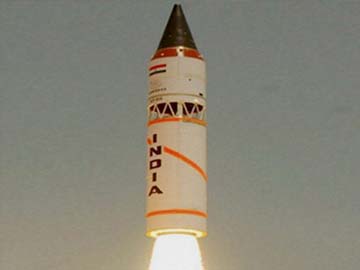
Agni-IV Missile
Agni-IV is an advanced intermediate-range ballistic missile (IRBM) developed by India, with a range of about 4,000 km. It features a two-stage solid-fuel system, composite materials, improved avionics, and a highly accurate guidance system. Designed to carry conventional or nuclear warheads, Agni-IV enhances India’s long-range strike capability and strengthens its strategic deterrence posture.

Kalam‑4/K-4 Missile
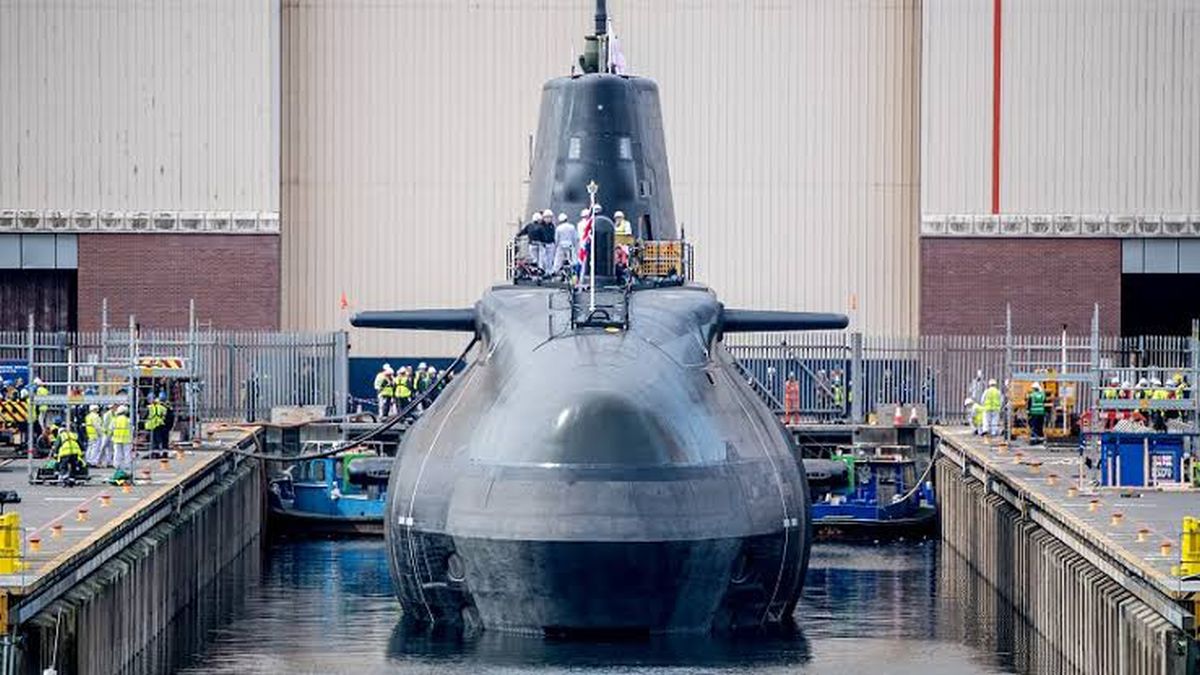
The K-4, also known as Kalam-4, is India’s submarine-launched ballistic missile (SLBM) and intermediate-range ballistic missile (IRBM) developed for the Arihant-class nuclear submarines. With an estimated range of about 3,500 km, it enables long-distance, underwater nuclear strike capability. The missile uses a two-stage solid-fuel system, advanced guidance, and a high-accuracy re-entry vehicle, making it a key component of India’s sea-based nuclear deterrence and second-strike capability.
Purpose of IRBMs
IRBMs are mainly used for:
-
Strategic deterrence
-
Defending national borders
-
Targeting enemy assets in high value
-
Strengthening military power
-
Maintaining regional balance
They act as a bridge between medium-range and intercontinental missiles.
Limitations of IRBMs
-
High Development & Operational Cost: Expensive to develop, maintain, and deploy.
-
Limited Range Compared to ICBMs: Cannot reach intercontinental targets beyond 5,500 km.
-
Potential Vulnerability: Advanced missile defence systems can intercept older IRBMs without manoeuvrable warheads.
-
Strategic Escalation Risk: Deployment may trigger regional arms races.
-
Dependence on Technology: Requires sophisticated guidance, propulsion, and launch systems for effectiveness.
Role of IRBMs in Modern Warfare
In modern defense strategy, IRBMs are used as deterrent weapons rather than first-strike weapons. Their presence discourages enemy attacks by maintaining a balance of power.
Conclusion:
Intermediate-Range Ballistic Missiles (IRBMs) are a vital component of modern strategic defence, bridging the gap between medium-range and intercontinental missile systems. With their long-range capability, high-speed flight, versatile warhead options, and advanced guidance systems, IRBMs provide nations with a credible and flexible deterrence against regional and distant threats. Their ability to be launched from mobile platforms, silos, or submarines enhances survivability and rapid deployment, making them essential for maintaining a robust second-strike capability.
IRBMs strengthen a country’s regional security posture, strategic reach, and military readiness, while supporting a balanced defence strategy. Despite challenges such as high costs and vulnerability to advanced missile defences, they remain an indispensable tool for ensuring strategic stability, projecting power, and safeguarding national security. For more information about missiles visit Education Masters
सरकारी नौकरियों, जीके अपडेट्स और करेंट अफेयर्स की ताज़ा जानकारी सबसे पहले पाने के लिए:


)





.png)
.png)
.png)
.jpg)
.jpg)