Subhas Chandra Bose, popularly known as Netaji, was one of India’s most courageous and charismatic leaders in the struggle for independence. A revolutionary thinker, brilliant student, and powerful orator, Bose believed that freedom could not be won through non-violence alone.
|
Field
|
Details
|
|
Name
|
Subhas Chandra Bose
|
|
Image
|
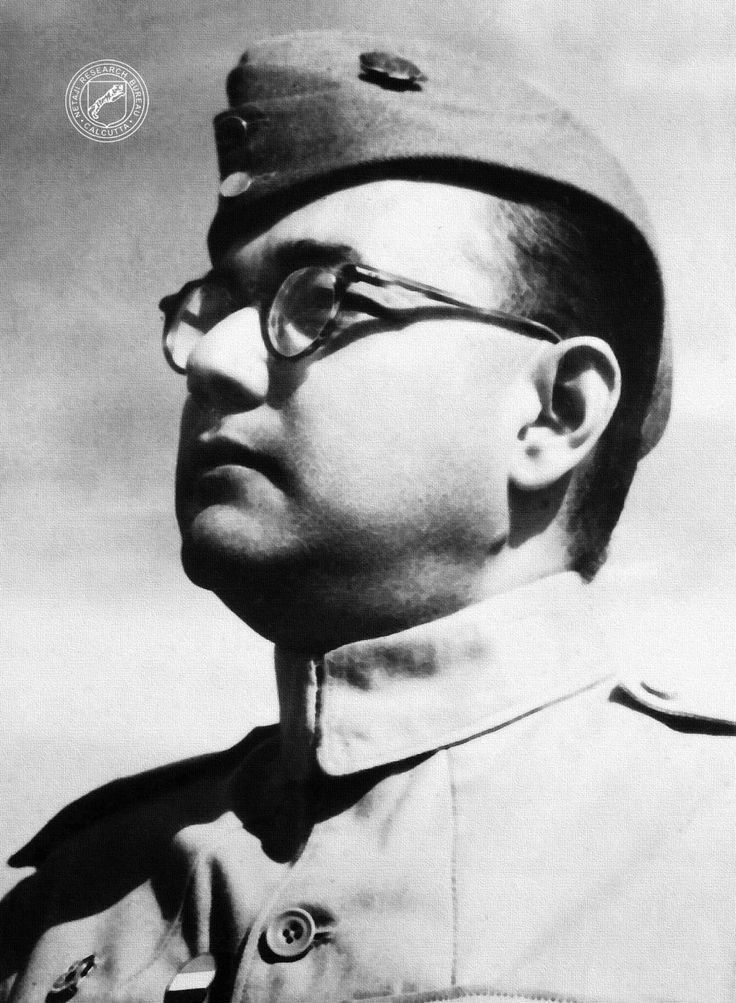
|
|
Birth Name
|
Subhas Chandra Bose
|
|
Birth Date
|
January 23, 1897
|
|
Birth Place
|
Cuttack, Odisha, India
|
|
Nationality
|
Indian
|
|
Citizenship
|
Indian
|
|
Other Names
|
Netaji
|
|
Education
|
B.A., ICS (qualified), Political Science
|
|
Alma Mater
|
Presidency College (Calcutta), Scottish Church College, Fitzwilliam College (Cambridge)
|
|
Occupation
|
Freedom Fighter, Politician, Soldier, Leader of INA
|
|
Years Active
|
1916–1945
|
|
Known For
|
Founding Indian National Army (INA), Azad Hind Government, Armed resistance against British rule
|
|
Political Party
|
Indian National Congress; Later Forward Bloc
|
|
Spouse
|
Emilie Schenkl (married 1937, secret marriage)
|
|
Children
|
1 daughter (Anita Bose Pfaff)
|
|
Parents
|
Janakinath Bose (father), Prabhavati Bose (mother)
|
|
Death
|
Reported August 18, 1945 (Taiwan) – still disputed
|
|
Cause of Death
|
Alleged plane crash (mysterious disappearance)
|
|
Website
|
netaji.gov.in
|
His formation of the Indian National Army (INA) and the Provisional Government of Azad Hind marked a historic challenge to British rule. Admired for his patriotism, sacrifice, and fearless leadership, Bose’s life continues to inspire millions. His mysterious disappearance in 1945 remains one of the greatest unsolved mysteries of modern India.
Early Life & Family Background
Subhas Chandra Bose was born on January 23, 1897, in Cuttack, Odisha, into a respected and well-educated Bengali family. His father, Janakinath Bose, was a prominent lawyer, while his mother, Prabhavati, was known for her spiritual and gentle nature.
Growing up in a disciplined household, Bose was introspective, intelligent, and deeply influenced by Indian culture, spirituality, and patriotism from a young age. He was strongly inspired by Swami Vivekananda’s teachings, which shaped his ideas on nationalism and selfless service.
Education & Academic Excellence
Bose’s educational journey was marked by brilliance:
- Studied at Ravenshaw Collegiate School, where he topped his classes.
- Joined Presidency College, Calcutta, but was expelled for protesting against British professors’ racist remarks.
- Later graduated with a B.A. in Philosophy from Scottish Church College.
- In 1919, he went to Cambridge University to prepare for the Indian Civil Services (ICS).
He passed the ICS examination with distinction, but in 1921 he resigned from the service, stating:
“I cannot serve the British Government when my country is enslaved.”
This marked the beginning of his revolutionary path.
Entry Into Freedom Struggle
After returning to India from England, Subhas Chandra Bose joined the Indian National Congress and rapidly emerged as a prominent leader because of his sharp intellect, strong organizational skills, and unwavering dedication to India's independence. His dynamic approach attracted youth and energized the national movement. Bose worked closely with top leaders, taking on several important roles within the Congress and becoming known for his bold ideas, clarity of vision, and fearless commitment to driving India’s fight against British rule.
Key highlights:
- Became close to Chittaranjan Das, his political mentor.
- Elected Mayor of Calcutta (1930).
- Became Congress President twice (1938 & 1939).
- Advocated strong measures and complete independence from Britain.
However, ideological differences with Gandhi and other Congress leaders led to his resignation as Congress President in 1939. He then founded the Forward Bloc to strengthen the fight for independence.
Formation of Indian National Army (INA)
After escaping house arrest in 1941, Subhas Chandra Bose undertook a daring journey through Afghanistan and Russia before securing support in Germany during World War II. His mission was clear: to seek international alliances to liberate India from British rule. In 1943, Bose arrived in Singapore and took command of the Indian National Army (INA), initially formed by Captain Mohan Singh. He reorganized, strengthened, and transformed the INA into a disciplined fighting force, uniting Indian soldiers and civilians in Southeast Asia with the powerful call for freedom. Under his leadership, the INA became a symbol of armed resistance and national pride.
Major achievements with INA:
- Became the Supreme Commander of INA.
- Formed the Provisional Government of Azad Hind on October 21, 1943.
- Established ministries, currency, postal stamps, and army ranks for a free Indian nation.
- INA slogans such as “Jai Hind”, “Give me blood, and I shall give you freedom”, and “Dilli Chalo” became symbols of national pride.
- INA soldiers fought bravely in Imphal and Burma (Myanmar) against British forces.
Although INA could not secure military victory due to Japan’s defeat in WWII, Bose’s efforts ignited a revolutionary spirit within India’s armed forces.
Mysterious Disappearance
On August 18, 1945, Subhas Chandra Bose reportedly died in a plane crash in Taiwan while attempting to travel to Japan. However, the absence of conclusive evidence, conflicting eyewitness accounts, and unanswered questions surrounding his last movements created deep uncertainty. Over the decades, numerous committees and investigations were formed, yet none provided a definitive answer. As a result, Bose’s disappearance remains one of the greatest mysteries in Indian history, sparking debate, speculation, and intrigue even today.
Several theories suggest that he:
- Survived the crash and lived in hiding
- Went to the Soviet Union
- Returned to India secretly as “Gumnami Baba”
His disappearance remains one of India's greatest unsolved mysteries, fueling debates and investigations even today.
Lifestyle & Personality
Netaji was known for:
- Extraordinary discipline
- Fierce nationalism
- Strong leadership and motivation skills
- A calm, polite, yet firm demeanor
- Exceptional multilingual abilities (Bengali, Hindi, English, German, Sanskrit)
- High spiritual inclination influenced by Vivekananda
He lived simply, even during wartime, dedicating every moment to India’s liberation.
Legacy
Subhas Chandra Bose remains one of the most influential and inspirational leaders of India’s freedom struggle. His unmatched courage, clarity of vision, and willingness to fight the British Empire through military resistance set him apart from other national leaders. One of his greatest legacies was the formation of the Indian National Army (INA), which challenged British authority and inspired Indian soldiers to rise for freedom. Bose popularized the slogan “Jai Hind,” which today stands as India’s national salutation. His ideals of bravery, sacrifice, and nationalism continue to guide Indian youth. Several important memorials such as Netaji Bhawan, the INA Museum, and Netaji Subhas Chandra Bose International Airport keep his memory alive. Every year, India celebrates January 23 as Parakram Diwas (Day of Courage) to honor his fearlessness. The INA trials triggered unrest among Indian soldiers and contributed significantly to weakening British control, hastening India’s independence
Subhas Chandra Bose remains one of the most inspirational heroes of India’s freedom struggle.
His legacy includes:
- The Indian National Army, which shook British confidence
- The slogan “Jai Hind”, now India’s national salutation
- Inspiration to the youth for nationalism, bravery, and sacrifice
- Memorials such as Netaji Bhawan, INA Museum, and Netaji Subhas Chandra Bose International Airport
- January 23 is celebrated as Parakram Diwas (Day of Courage) in India
His contributions pushed the British to rethink their hold on India, especially after INA trials triggered unrest among Indian soldiers.
Conclusion
Netaji Subhas Chandra Bose was not just a freedom fighter — he was a revolutionary force who believed that freedom demands courage, sacrifice, discipline, and action. His indomitable spirit, uncompromising patriotism, and visionary leadership continue to inspire India and the world. He challenged fear, shattered limitations, and ignited a sense of duty in every heart. Even today, Netaji’s words echo with pride and purpose, reminding us that true freedom is earned through struggle, unity, and unbreakable determination. His legacy lives on as a symbol of resilience, national pride, and the relentless pursuit of justice and independence.
Even today, Netaji’s words echo with pride:
“Freedom is not given, it is taken.”
सरकारी नौकरियों, जीके अपडेट्स और करेंट अफेयर्स की ताज़ा जानकारी सबसे पहले पाने के लिए:

.jpg)




.png)
.png)
.png)
.jpg)
.jpg)