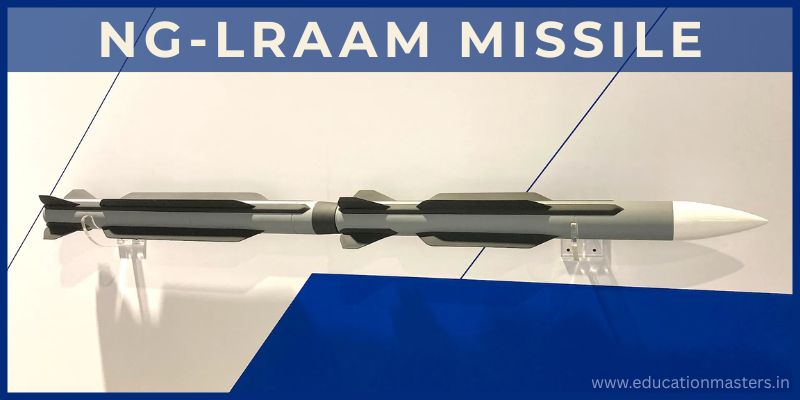
India’s NG-LRAAM (Next-Generation Long-Range Air to Air Missile) is a future advanced air combat weapon being developed to significantly extend the long-range engagement capability of the Indian Air Force (IAF). Designed to operate well beyond visual range (BVR), NG-LRAAM aims to counter modern high-value aerial threats such as enemy fighter aircraft, airborne early warning and control systems (AWACS), refueling tankers, and support platforms. The missile is expected to feature high-speed performance, extended range, and advanced guidance systems, strengthening India’s air superiority in contested airspace.
As part of India’s push toward indigenous next-generation missile technology, NG-LRAAM represents a major step in reducing dependence on foreign long-range air-to-air weapons. The missile is envisioned to integrate seamlessly with advanced Indian fighter aircraft and future combat platforms, providing deep-strike aerial interception capability. With its focus on long-range dominance, electronic counter-countermeasures, and network-centric warfare compatibility, NG-LRAAM is expected to play a critical role in shaping India’s future air combat doctrine and strategic deterrence.
Overview of NG-LRAAM Missile
|
Category
|
Details
|
|
Missile Name
|
NG-LRAAM (Next-Generation Long-Range Air-to-Air Missile)
|
|
Country of Origin
|
India
|
|
Developer
|
Defence Research and Development Organisation (DRDO)
|
|
Type
|
Long-Range / Beyond Visual Range (BVR) Air-to-Air Missile
|
|
Primary Role
|
Long-range aerial interception and air superiority
|
|
Target Types
|
Enemy fighter aircraft, AWACS, ISR platforms, aerial refuelers
|
|
Engagement Range
|
Very long range (classified / expected to exceed current BVR missiles)
|
|
Guidance System
|
Advanced active radar seeker with mid-course updates (expected)
|
|
Propulsion
|
High-energy propulsion system optimized for long-range engagement
|
|
Speed Class
|
Very high supersonic (exact figures not public)
|
|
Launch Platforms
|
Future integration with Indian Air Force fighter aircraft
|
|
Combat Capability
|
Beyond-visual-range dominance, high-value target neutralization
|
|
Key Strength
|
Extended reach, advanced guidance, resistance to countermeasures
|
|
Strategic Purpose
|
Strengthen India’s long-range air combat and deterrence capability
|
|
Indigenous Focus
|
Part of India’s next-generation indigenous missile development
|
|
Current Status
|
Under development / conceptual stage (details classified)
|
Key Features of NG-LRAAM
The NG-LRAAM (Next-Generation Long-Range Air to Air Missile) is a future advanced beyond-visual-range air combat weapon being developed to give the Indian Air Force a decisive long-range interception capability. It is intended to neutralize high-value aerial threats at extreme distances while operating in heavily contested electronic warfare environments.
1. Next-Generation Long-Range Air-to-Air Missile
Designed specifically for very long-range beyond-visual-range (BVR) air combat.
Focused on engaging targets far beyond the reach of current generation BVR missiles.
2. High-Value Aerial Target Interception
Optimized to neutralize AWACS, ISR aircraft, aerial refuelers, and support platforms.
Also capable of engaging long-range enemy fighters before they can launch their own weapons.
3. Advanced Active Radar Guidance (Expected)
Expected to use an advanced active radar seeker for autonomous terminal guidance.
Designed to operate effectively in dense electronic countermeasure (ECM) environments.
4. Network-Centric & Mid-Course Guidance Capability
Expected to support mid-course updates from launch aircraft or airborne sensors.
Allows flexible engagement, retargeting, and cooperative combat operations.
5. High-Energy Propulsion System
Designed with a high-energy propulsion system optimized for extended range and sustained speed.
Ensures high end-game energy for improved kill probability at extreme distances.
Development Background Of The NG-LRAAM Missile
The NG-LRAAM (Next-Generation Long-Range Air to Air Missile) is an advanced missile concept under development to provide the Indian Air Force with very long-range BVR engagement capability against high-value aerial targets such as enemy fighters, AWACS, tankers, and surveillance aircraft. It is designed to operate in network-centric, high-threat air combat environments.
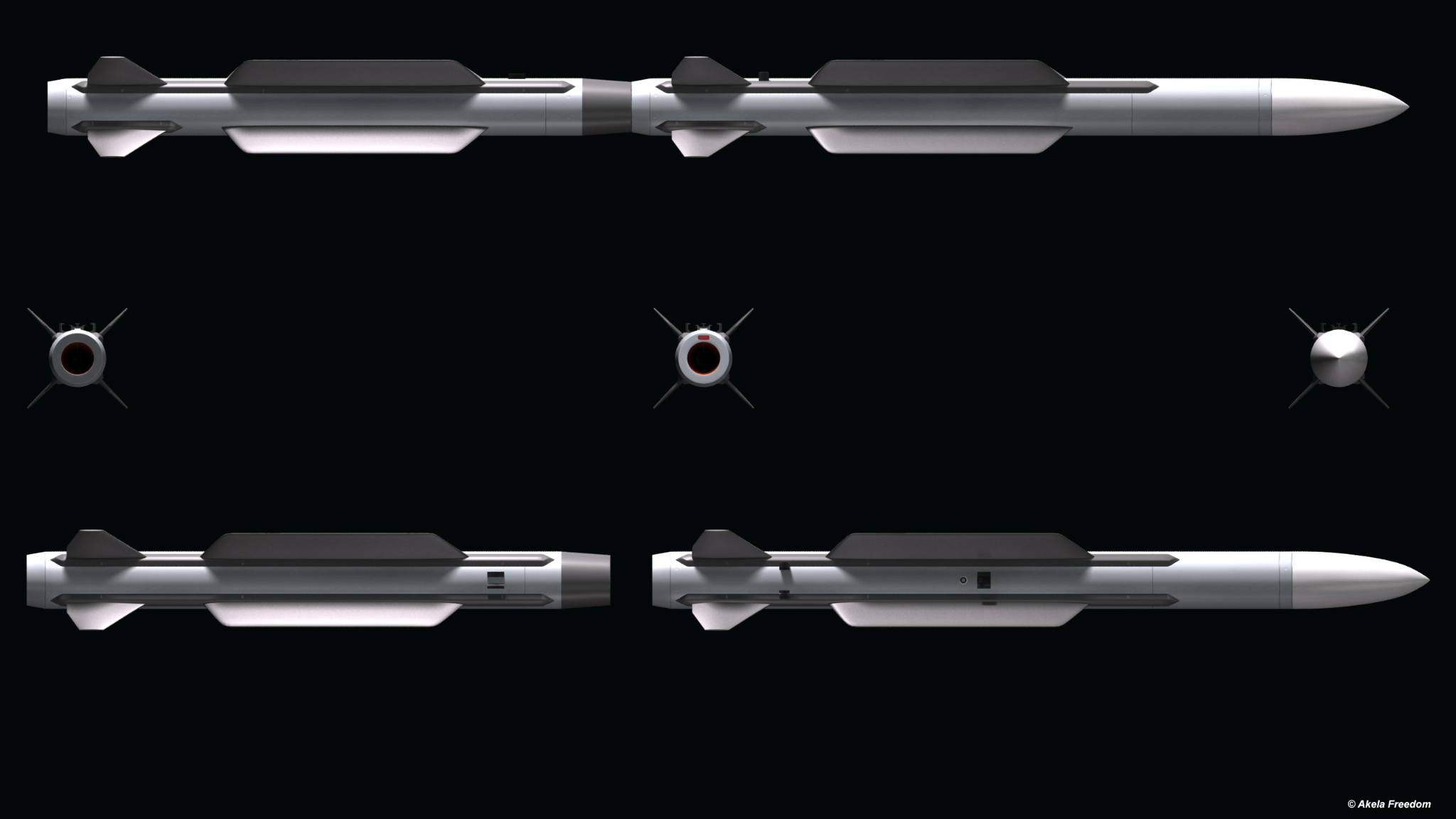
The missile is expected to feature advanced propulsion (ramjet or dual-pulse motor), a modern active radar seeker, secure mid-course data-link, and strong ECCM resistance. NG-LRAAM aims to deliver a large no-escape zone, sustained high speed, and first-shot superiority, significantly enhancing India’s long-range air dominance.
Operational Roles Of The NG-LRAAM Missile
The NG-LRAAM is designed for very long-range BVR air combat, providing deep standoff capability and enabling fighters to dominate contested airspace while remaining outside enemy missile envelopes. Optimized to neutralize high-value aerial assets and counter advanced BVR threats, it combines first-shot, fire-and-forget capability, strong ECCM, and network-centric integration with AESA radars and AWACS, ensuring effective all-weather operations on India’s future combat aircraft.
-
Very Long-Range BVR Air Combat
NG-LRAAM is designed to engage enemy aircraft at extreme beyond visual range, providing deep standoff strike capability.
-
Air Dominance and Standoff Superiority
Enables fighters to control contested airspace while remaining outside enemy missile engagement zones.
-
Interception of High-Value Aerial Assets
Optimized to target AEW&C aircraft, aerial tankers, ISR platforms, bombers, and support aircraft at long distances.
-
Counter to Advanced Enemy BVR Missiles
Intended to counter next-generation threats such as PL-15, Meteor, and similar long-range BVR missiles.
-
Fire-and-Forget Engagements
Allows pilots to launch and immediately maneuver or disengage, improving survivability in high-threat environments.
-
Operations in Heavy Electronic Warfare Environments
Designed with advanced ECCM to maintain guidance and seeker performance under intense jamming conditions.
Advantages of NG-LRAAM Missile
The NG-LRAAM (Next-Generation Long-Range Air-to-Air Missile) provides the Indian Air Force with a decisive edge in modern aerial warfare by enabling early, long-distance interception and strategic air dominance.
1. Extreme Beyond-Visual-Range Superiority
Allows engagement of enemy aircraft at very long distances, well before they can threaten Indian fighters.
Shifts air combat in India’s favor by controlling battlespace from afar.
2. Neutralization of High-Value Enemy Assets
Capable of targeting AWACS, ISR aircraft, and aerial refuelers.
Cripples enemy air operations by removing command, control, and support platforms.
3. Reduced Risk to Launch Aircraft
Enables Indian fighters to strike from safer stand-off ranges.
Minimizes exposure to enemy air defenses and counter-attacks.
4. High-Speed Intercept Advantage
Very high-speed engagement reduces enemy reaction and escape time.
Improves interception success against fast or maneuvering targets.
5. Superior Performance in Electronic Warfare Environments
Designed to operate effectively under jamming and electronic countermeasures.
Maintains guidance reliability even in contested electromagnetic environments.
6. Network-Centric Combat Flexibility
Supports mid-course guidance updates and cooperative targeting.
Allows dynamic engagement based on real-time battlefield data.
7. High End-Game Energy at Long Range
Retains strong kinetic energy in the terminal phase.
Improves maneuverability and hit probability at extreme distances.
8. Strategic Air Dominance & Deterrence
Forces adversaries to operate farther from contested airspace.
Acts as a psychological and operational deterrent in regional air combat.
9. Indigenous Development Advantage
Strengthens India’s self-reliance in advanced missile technology.
Reduces long-term dependence on foreign long-range AAM systems.
10. Future-Ready Air Combat Capability
Designed to counter next-generation fighters and aerial threats.
Ensures long-term relevance in evolving air warfare scenarios.
Limitations of NG-LRAAM Missile
While NG-LRAAM is envisioned as a powerful long-range air combat weapon, like all advanced missile systems it has certain operational and developmental limitations.
1. Development & Deployment Timeline
NG-LRAAM is still under development, with timelines dependent on testing and validation.
Operational induction may take time before full fleet-wide availability.
2. High Cost Per Missile
Long-range missiles with advanced guidance and propulsion systems are expensive to produce.
Limits large-scale usage compared to short- or medium-range AAMs.
3. Weight Constraints & Size
Extended range and high-energy propulsion may result in larger size and weight.
Could reduce the number of missiles carried per aircraft.
4. Limited Effectiveness at Close Range
Optimized for long-range engagements, not dogfights.
Requires support from short-range and medium-range missiles for close combat.
5. Dependence on External Targeting Support
Long-range shots often rely on mid-course updates from sensors or platforms.
Effectiveness may reduce if network or sensor support is degraded.
6. Susceptibility to Advanced Countermeasures
Despite resistance measures, modern ECM, decoys, and stealth tactics can still challenge long-range engagements.
No missile is completely immune to counter-countermeasures.
7. Integration Complexity
Requires extensive integration and testing with aircraft avionics, radars, and data links.
Delays can occur during multi-platform integration.
8. Rules of Engagement & Identification Challenges
Very long-range engagements demand high-confidence target identification.
Restrictive rules of engagement may limit real-world usage.
9. Training & Operational Complexity
Effective use requires advanced pilot training and sensor fusion.
Increases operational planning and mission complexity.
CONCLUSION
India’s NG-LRAAM (Next-Generation Long-Range Air to Air Missile) represents a significant leap in the country’s pursuit of advanced, indigenous air combat capability. Designed to dominate beyond-visual-range engagements, NG-LRAAM is expected to give the Indian Air Force the ability to detect, engage, and neutralize high-value aerial threats at extreme distances. With its emphasis on long-range reach, high-speed interception, advanced guidance, and resistance to electronic countermeasures, the missile is positioned to become a cornerstone of India’s future air superiority doctrine.
While the NG-LRAAM program faces challenges typical of next-generation missile development such as cost, integration complexity, and extended timelines, its strategic value far outweighs these limitations. Once operational, NG-LRAAM will significantly reduce India’s reliance on foreign long-range air to air weapons and strengthen self-reliance in critical defense technologies. As part of a layered air combat ecosystem, NG-LRAAM is expected to play a decisive role in shaping future aerial battles, enhancing deterrence, and ensuring that the Indian Air Force maintains a credible and dominant long-range interception capability in an increasingly contested airspace. For more information about missiles you can visit our site Education Masters.
सरकारी नौकरियों, जीके अपडेट्स और करेंट अफेयर्स की ताज़ा जानकारी सबसे पहले पाने के लिए:



.png)
.png)
.png)
.jpg)
.jpg)