Subsonic cruise missiles are advanced, precision-guided weapons designed to operate at speeds below the speed of sound (Mach 1). Rather than depending on high velocity to overwhelm defences, they leverage a combination of stealth, aerodynamic efficiency, and intelligent navigation to infiltrate hostile airspace. Their hallmark capability is terrain-hugging, low-altitude flight, which allows them to blend into ground clutter and evade long-range radar systems, making detection extremely challenging.These missiles carry sophisticated guidance packages—such as INS/GPS navigation, terrain contour matching (TERCOM), and digital scene-matching (DSMAC)—that enable them to autonomously adjust their path, avoid obstacles, and stay on a precise course for hundreds or even thousands of kilometres.
Their long endurance allows them to follow complex, pre-programmed routes and approach the target from unexpected angles, further reducing vulnerability to interception.Designed for strategic deep-strike missions, subsonic cruise missiles excel at destroying high-value targets such as command centers, military infrastructure, radar sites, logistics hubs, and communication networks. Their combination of stealth, precision, flexibility, and cost-effectiveness makes them indispensable in modern warfare, especially for countries seeking reliable, non-ballistic strike options that can bypass layered air-defence systems with minimal detection.
Overview of Subsonic Cruise Missiles
|
Category
|
Details
|
|
Speed
|
Below Mach 1 (Subsonic)
|
|
Primary Role
|
Long-range precision land-attack missions
|
|
Flight Profile
|
Low-altitude, terrain-hugging, stealthy flight
|
|
Propulsion
|
Turbofan / Turbojet engines
|
|
Guidance Systems
|
INS, GPS, TERCOM, DSMAC, terminal seekers
|
|
Range
|
Typically 500–1,500+ km
|
|
Key Advantages
|
Stealth, long endurance, high accuracy, cost-effective
|
|
Launch Platforms
|
Land-based launchers, ships, submarines, aircraft
|
|
Examples (India)
|
Nirbhay, ITCM
|
|
Combat Use
|
Strategic deep strikes, high-value target destruction
|
Design Philosophy of Subsonic Cruise Missiles
1. Stealth and Survivability
These missiles are built to remain concealed throughout their flight. Their reduced radar cross-section, combined with ultra-low, terrain-hugging flight, allows them to slip beneath enemy radar coverage. By blending into ground clutter and avoiding detection until the final moments, they significantly increase their chances of reaching the target successfully.
2. Long Range
Powered by efficient turbofan or turbojet engines, subsonic cruise missiles can travel 1,000 km or more, enabling deep penetration into hostile territory. Their long endurance allows them to follow extended or indirect routes, approach from unexpected directions, and engage targets far beyond traditional battlefield ranges.
3. Precision
Equipped with sophisticated guidance systems—such as INS, GPS, TERCOM, and DSMAC—these missiles maintain exceptional accuracy even when navigating complex environments. This ensures they can strike strategic, well-defended, or high-value targets with pinpoint precision, minimizing collateral damage.
4. Flexibility
Subsonic cruise missiles are designed to fly highly adaptable flight paths, capable of changing course mid-flight, weaving through natural terrain, or even loitering near a target area before final engagement. This flexibility allows mission planners to tailor the missile’s route for maximum survivability and effectiveness.
Guidance & Navigation Systems
Subsonic cruise missiles use a combination of:
-
INS (Inertial Navigation System)
-
GPS/GLONASS/NavIC
-
TERCOM (Terrain Contour Matching)
-
DSMAC (Digital Scene Matching Area Correlation)
This combination ensures accuracy even in GPS-denied environments.
Flight Characteristics of Subsonic Cruise Missiles
-
Terrain-Hugging: Fly just 50–100 meters above ground to avoid radar detection.
-
Way-Point Navigation: Follow pre-programmed or dynamically updated paths to evade defences.
-
Sea-Skimming (for naval variants): Reduce visibility in maritime strike missions.
High Maneuverability: Capable of sharp turns and altitude changes.
Propulsion System of Subsonic Cruise Missiles
• Offer long endurance
Turbofan/turbojet engines enable the missile to sustain flight over extremely long distances, supporting deep-strike missions that may span hundreds or even thousands of kilometres.
• Consume far less fuel than supersonic ramjets
Their fuel-efficient design makes them ideal for prolonged, low-speed cruising. This reduced fuel consumption directly translates to greater operational range without compromising payload capacity.
• Enable smooth, steady cruising over long distances
These engines provide stable, reliable thrust, allowing the missile to maintain a consistent, low-altitude, terrain-following flight profile—a key factor in evading radar detection.
Why this propulsion choice matters
The use of turbofan or turbojet engines is central to the missile’s extended range, stealthy operation, and cost-effective performance. It ensures the ability to fly long, complex routes while maintaining low observability and precision, making subsonic cruise missiles exceptionally well-suited for strategic deep-strike missions.
Subsonic Cruise Missiles of India
|
Missile Name
|
Type
|
Range
|
Speed
|
Launch Platform
|
Key Features
|
|
Nirbhay
|
Subsonic LACM
|
1,000 km
|
Mach 0.7
|
Ground launcher
|
Terrain-hugging, long-range, high accuracy
|
|
ITCM (Nirbhay Successor)
|
Subsonic LACM
|
1,000+ km (target)
|
Subsonic
|
Ground launcher
|
Indigenous engine (Manik STFE), improved reliability
|
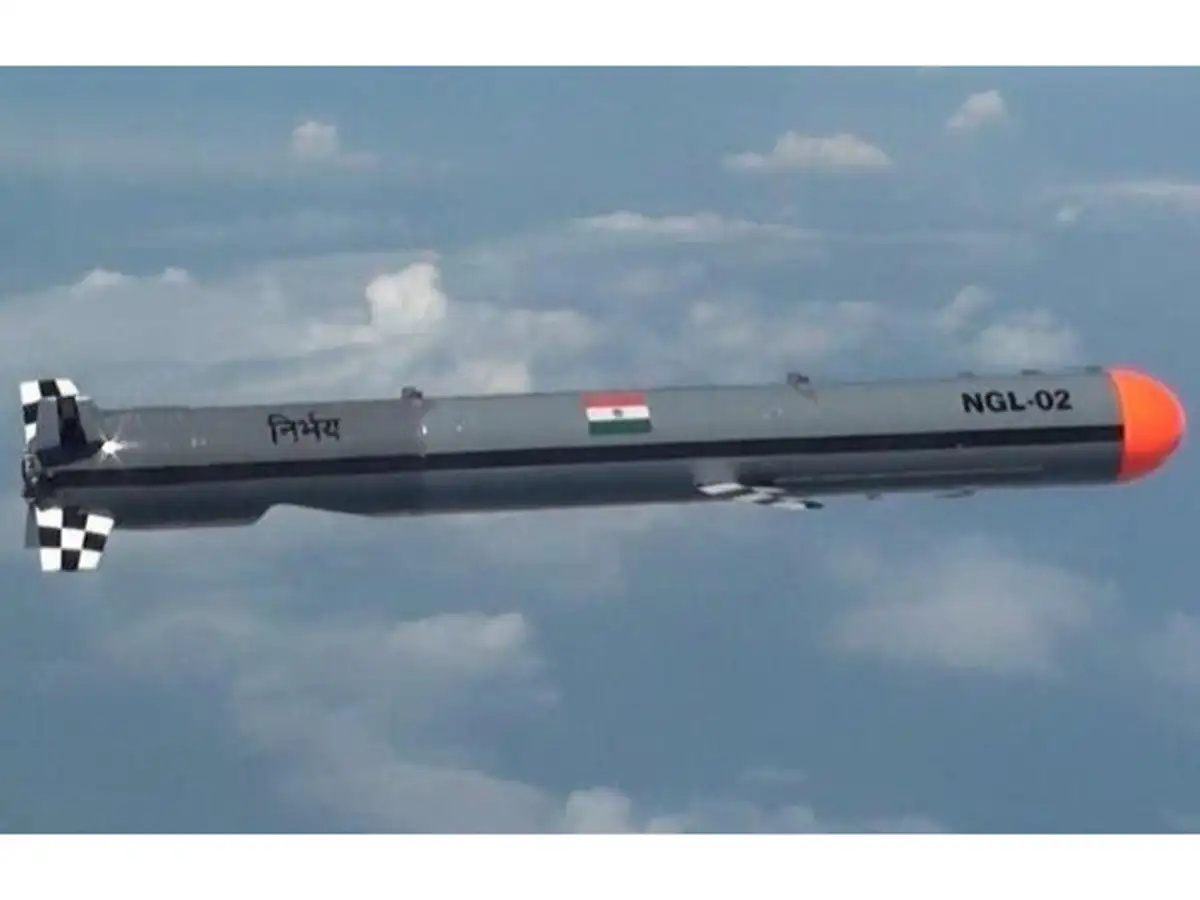
Nirbhay Missile
Nirbhay missile is India’s first indigenously developed long-range subsonic Land Attack Cruise Missile (LACM), designed by DRDO for low-cost, terrain-hugging deep-strike missions similar to the Tomahawk. With a range of 1,000–1,500 km and subsonic speed (0.7 Mach), it uses a turbofan engine for long endurance and low-altitude stealth flight. Nirbhay carries 200–300 kg warheads and uses INS, GPS, TERCOM and DSMAC navigation for high accuracy. It can be launched from land, ships and future submarines. The improved ITCM version with an indigenous engine has boosted reliability. Though slower than supersonic systems, it offers precise, long-range strike capability for strategic missions.
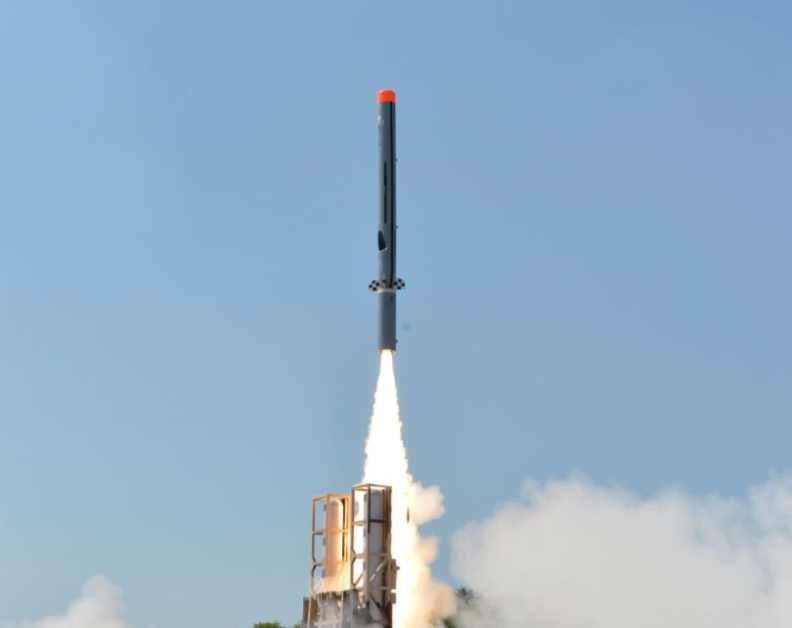
ITCM (Nirbhay Successor)
The Indigenous Technology Cruise Missile (ITCM) is the upgraded, fully indigenous version of India’s Nirbhay subsonic Land Attack Cruise Missile, developed by DRDO for long-range, terrain-hugging precision strikes. Powered by the Indian-made Manik (STFE) turbofan engine, it flies at subsonic speeds (0.7 Mach) with a range of 1,000–1,500 km, offering improved reliability and eliminating foreign engine dependence. ITCM carries 200–300 kg warheads and uses INS, GPS/NavIC, TERCOM and DSMAC navigation for high accuracy. Its low-altitude, stealthy flight enhances survivability, and it can be launched from land platforms, ships and future submarines. Overall, ITCM delivers greater indigenous capability, better performance and enhanced deep-strike strength compared to earlier Nirbhay variants.
Importance in Modern Warfare
-
Silent and Stealthy: Harder to detect compared to ballistic or supersonic missiles.
-
Cost-Effective: Provide strategic reach without the high cost of hypersonic systems.
-
Operational Flexibility: Launchable from land, air, and naval platforms.
-
Strategic Deterrence: Enhance long-range precision strike capability.
Roles & Applications of Subsonic Cruise Missiles
Subsonic cruise missiles are ideal for:
-
Long-range deep-strike missions
-
Destroying command centers, radar stations, ammunition depots
-
Precision strikes with minimal collateral damage
-
Preemptive neutralization of high-value fixed targets
-
Complementing supersonic/hypersonic weapons in layered strike doctrine
Limitations of Subsonic Cruise Missiles
-
Slower flight speed provides greater reaction time to enemy air-defence systems, making interception more likely compared to faster supersonic missiles.
-
Higher vulnerability to modern, layered air-defence networks if the missile is detected during its cruise phase.
-
Strong reliance on accurate, real-time intelligence and navigation data for long-range strikes, as any error can affect mission effectiveness.
Conclusion
Subsonic cruise missiles remain a vital part of modern strike capabilities due to their long range, fuel efficiency, and ability to fly at low altitudes while maintaining high accuracy. Their terrain-hugging paths and advanced guidance systems allow them to penetrate deep into defended areas with precision, making them highly effective for strategic and tactical missions. Although slower than supersonic and hypersonic missiles, their lower cost, extended endurance, and flexible launch platforms ensure they continue to play a crucial role in modern warfare and long-range precision strike operations. For more information about missiles visit Education Masters.
सरकारी नौकरियों, जीके अपडेट्स और करेंट अफेयर्स की ताज़ा जानकारी सबसे पहले पाने के लिए:

.jpg)





.png)
.png)
.png)
.jpg)
.jpg)