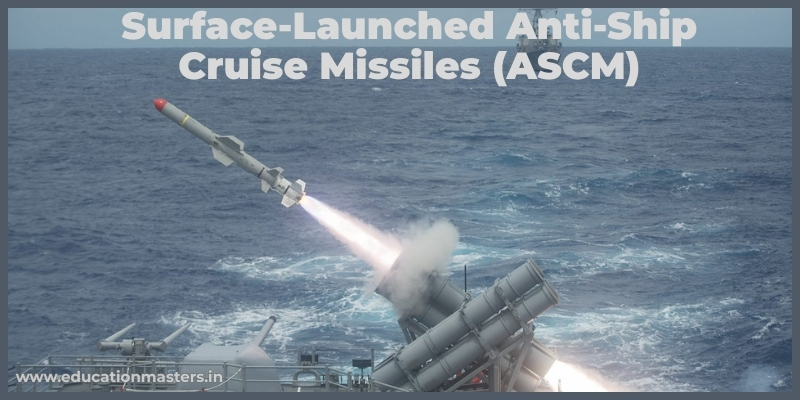
Anti-Ship Cruise Missiles (ASCMs) are precision-guided weapons designed to locate and destroy enemy naval vessels. Flying at very low altitudes and using advanced radar seekers, they can evade detection while striking warships with high accuracy. Powered by turbojet or ramjet engines, ASCMs can be launched from ships, submarines, aircraft, or coastal batteries, making them highly versatile in maritime operations. In modern naval warfare, ASCMs play a crucial role in controlling sea lanes, deterring enemy fleets, and ensuring strong coastal and naval defence.
Their ability to engage moving targets at long ranges gives naval forces a decisive operational advantage, especially in contested maritime zones. ASCMs also form an essential part of a nation’s Anti-Access/Area Denial (A2/AD) strategy, preventing hostile ships from entering sensitive waters. With continuous advancements in guidance, stealth, and propulsion technologies, modern ASCMs offer enhanced survivability and precision, making them indispensable assets for maritime security and power projection.
What are Surface-Launched ASCMs?
Surface-launched ASCMs are cruise missiles deployed on:
-
Coastal defence systems
-
Mobile truck-based launch platforms
-
Warships (destroyers, frigates, corvettes, etc.)
They follow a low-altitude, sea-skimming flight path to stay below enemy radar detection and strike ships with high precision.
Key Characteristics of ASCMs
-
Low-Altitude / Sea-Skimming Flight:
Flies just a few meters above sea level to avoid detection by radar.
-
High Speed:
Usually subsonic to supersonic (some, like BrahMos, are supersonic).
-
Precision Guidance:
Uses a combination of:
-
Powerful Warhead:
Designed to cause maximum damage to critical sections of ships, such as the hull or command centers.
Main Functions / Mission Role of ASCMs
Surface-launched ASCMs are used to:
-
Destroy enemy warships before they approach the coast
-
Protect vital coastal regions and harbours
-
Control sea lanes and shipping routes
-
Support naval blockades
-
Strengthen Anti-Access / Area Denial (A2/AD) strategy
They are a key part of coastal defence systems and naval warfare strategy.
Advantages of ASCMs
1. Very difficult to intercept
ASCMs often fly at extremely low altitudes (sea-skimming) and can travel at high subsonic or supersonic speeds. This combination gives enemy radars very little time to detect and track them, making interception by air-defense systems extremely challenging.
2. Long-range strike capability
Modern ASCMs can engage enemy ships far beyond the horizon, allowing naval forces or coastal batteries to strike targets before the enemy fleet gets close. This long reach provides a major tactical advantage during maritime operations.
3. High accuracy and reliability
With advanced guidance systems—such as INS, GPS, radar seekers, and sea-skimming navigation—ASCMs can lock onto moving ships and hit them with remarkable precision, ensuring maximum damage to the target.
4. Can be fired from hidden or mobile positions
ASCMs can be launched from mobile trucks, camouflaged coastal batteries, small naval vessels, or even containers. This flexibility makes launch platforms harder to detect and neutralize, increasing their survivability and strategic value.
5. Strong deterrence in coastal regions
The mere presence of ASCMs in a coastal defence network discourages enemy fleets from approaching. Their range, speed, and destructive power act as a powerful deterrent, protecting a nation’s maritime borders and vital sea lanes.
Types of Targets of ASCMs
Surface-launched ASCMs can strike:
Some advanced versions are also capable of conducting land-attack missions.
ASCMs of India
|
Missile Name
|
Type
|
Range
|
Speed
|
Launch Platform
|
Key Features
|
|
BrahMos Coastal Defence Variant
|
Supersonic ASCM
|
290–450+ km
|
Mach 2.8–3.0
|
Coastal/mobile land launcher
|
Sea-skimming, anti-ship strike, high survivability
|
|
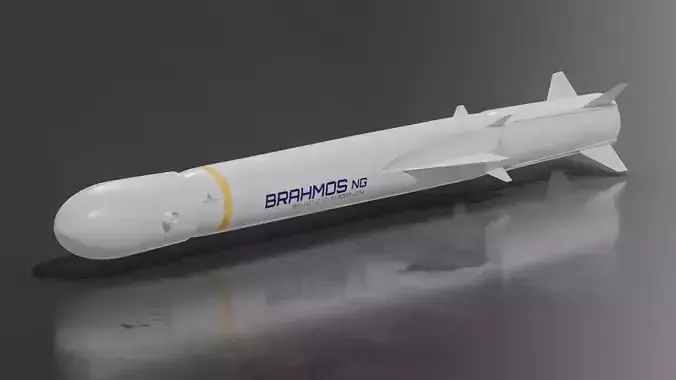
BrahMos-NG (ASCM future)
|
Supersonic
|
300+ km
|
Mach 3
|
Land coastal battery
|
Smaller, improved target tracking and low RCS
|
Importance in Modern Warfare of ASCMs
Surface-launched ASCMs are critical for:
1. Protecting maritime borders
Surface-launched ASCMs allow a nation to defend its coastline by engaging hostile ships long before they reach territorial waters. Their long range and precision help secure ports, islands, and critical sea routes.
2. Preventing enemy naval access
ASCMs support Anti-Access/Area Denial (A2/AD) strategies by deterring or destroying enemy warships attempting to enter strategic maritime zones. This limits an adversary’s freedom of movement and reduces their ability to project naval power.
3. Strengthening naval defence without deploying ships
Coastal defence batteries equipped with ASCMs can protect vast stretches of coastline without sending naval ships into combat zones, reducing risk to naval forces while still maintaining strong firepower.
4. Enhancing national deterrence power
The presence of advanced ASCMs deters hostile fleets from approaching a nation’s waters. Their speed, stealth, and high destructive capability make adversaries cautious, increasing strategic stability.
5. Supporting modern naval and joint-force operations
ASCMs integrate seamlessly with ships, aircraft, drones, and maritime surveillance systems, allowing coordinated multi-domain operations. They play a vital role in offensive strikes, fleet defence, and coastal protection in modern naval warfare.
They play a central role in modern maritime and coastal defence strategy.
Limitations of ASCMs
-
Can be expensive to produce and deploy
-
Requires real-time target tracking support
-
Can be affected by advanced enemy counter-measures
-
Needs integration with radar and surveillance systems
Operational Roles of Anti-Ship Cruise Missiles (ASCMs)
1. Engaging and Destroying Enemy Warships
ASCMs are designed primarily to locate, track, and strike enemy naval vessels such as destroyers, frigates, corvettes, and even aircraft carriers with high precision. Their sea-skimming flight and advanced seekers make them highly effective in naval combat.
2. Enforcing Maritime Denial (A2/AD)
ASCMs play a key role in Anti-Access/Area Denial strategies by preventing enemy fleets from approaching strategic coastal zones, naval bases, or key sea routes. Their presence alone forces enemy ships to operate cautiously or stay out of contested waters.
3. Coastal Defence Operations
Surface-launched ASCMs deployed along coastlines allow a nation to defend large maritime borders without constantly deploying warships. Mobile launchers can reposition quickly, creating a strong and flexible coastal shield.
4. Supporting Offensive Naval Missions
Naval ships and submarines equipped with ASCMs can conduct long-range offensive strikes against enemy fleets during wartime. These missiles help neutralize naval threats early, enabling friendly forces to gain control of maritime battlespaces.
5. Protecting Sea Lanes and Trade Routes
ASCMs help safeguard crucial shipping lanes from hostile ships, pirates, or aggressive naval maneuvers. This ensures the security of economic, energy, and military supply chains.
6. Strengthening Joint-Force Operations
ASCMs integrate seamlessly with naval aircraft, drones, surveillance radars, and command networks, allowing coordinated multi-domain attacks. This improves overall battle effectiveness during joint naval–air operations.
Conclusion
Surface-launched Anti-Ship Cruise Missiles are a critical element of modern maritime defense, providing a powerful and cost-effective way to counter enemy naval forces. Their ability to fly at low altitudes, evade radar detection, and strike moving targets with high precision makes them one of the most effective tools for coastal protection and sea denial. By allowing nations to defend strategic waterways and coastlines without relying solely on naval fleets or air power, surface-launched ASCMs significantly enhance deterrence, strengthen coastal security, and play a key role in maintaining regional maritime balance. For more information about missiles visit Education Masters.
सरकारी नौकरियों, जीके अपडेट्स और करेंट अफेयर्स की ताज़ा जानकारी सबसे पहले पाने के लिए:





.png)
.png)
.png)
.jpg)
.jpg)