Very Short-Range Surface-to-Air Missiles (VSHORAD), commonly referred to as MANPADS (Man-Portable Air-Defense Systems), are lightweight, highly mobile missile systems designed to engage and destroy low-altitude aerial threats such as helicopters, unmanned aerial vehicles (UAVs/drones), cruise missiles, and low-flying aircraft. Typically shoulder-fired or tripod-mounted, these missiles provide rapid reaction capability and are often equipped with fire-and-forget infrared or imaging infrared guidance systems. VSHORAD systems form the innermost layer of a nation’s air defence network, offering close-range protection to frontline troops, military convoys, air bases, and critical infrastructure. Their mobility, quick deployment, and effectiveness against emerging aerial threats make them a vital component of modern, layered air defence strategies.
Overview of VSHORAD / MANPADS
|
Aspect
|
Details
|
|
Full Form
|
Very Short-Range Surface-to-Air Missiles
|
|
Common Name
|
MANPADS (Man-Portable Air-Defense Systems)
|
|
Primary Role
|
Defence against low-altitude aerial threats
|
|
Targets
|
Helicopters, UAVs/drones, cruise missiles, low-flying aircraft
|
|
Engagement Range
|
4–8 km (varies by system)
|
|
Engagement Altitude
|
Up to 3–5 km
|
|
Launch Method
|
Tripod-mounted or Shoulder-fired
|
|
Guidance System
|
Infrared (IR) / Imaging Infrared (IIR), fire-and-forget
|
|
Reaction Time
|
Very fast (seconds)
|
|
Mobility
|
Man-portable and Highly mobile
|
|
Warhead Type
|
High-Explosive Fragmentation with proximity fuze
|
|
Air Defence Layer
|
Innermost layer of layered air defence
|
|
Protected Assets
|
Troops, convoys, air bases, critical infrastructure
|
|
Key Advantage
|
Quick deployment and high effectiveness against low-flying threats
|
|
Main Limitation
|
Short range and altitude coverage
|
Development History of VSHORAD / MANPADS
Early Origins From (1950s–1960s)
The concept of Very Short-Range Surface-to-Air Missiles (VSHORAD) emerged during the early Cold War, when military aircraft and helicopters began operating at low altitudes to evade radar detection. Traditional air-defence guns proved insufficient against fast, maneuvering targets, creating the need for portable missile-based air defence.
The first generation of MANPADS relied on simple infrared (IR) seekers that tracked engine heat signatures. These early systems had limited accuracy and were vulnerable to countermeasures.
First Operational MANPADS (1960s–1970s)
The world’s first widely used MANPADS were developed in the 1960s. Notable early systems included the FIM-43 Redeye (USA) and SA-7 Grail. These systems proved the battlefield value of shoulder-fired air defence weapons, especially against helicopters.
However, their effectiveness was limited due to:
-
Rear-aspect-only engagement
-
Resistance to flares is poor
-
Limited accuracy and range
Second Generation Improvements (1980s–1990s)
Combat experience led to major upgrades in seeker technology and missile design. Second-generation MANPADS introduced:
-
All-aspect engagement (front and rear attacks)
-
Improved infrared seekers
-
Better reliability and mobility
Prominent systems from this era include FIM-92 Stinger and Igla, both of which achieved global success and wide adoption.
Modern MANPADS (2000s–Present)
Modern VSHORAD systems use Imaging Infrared (IIR) seekers, digital signal processing, and fire-and-forget capability, greatly improving accuracy and resistance to countermeasures such as flares and jammers.
Key advancements include:
Examples include Mistral, Starstreak, and advanced Igla variants.
Indian Development
India initially relied on imported MANPADS but later launched an indigenous program through DRDO to develop VSHORAD systems with IIR seekers. These systems aim to enhance self-reliance, counter modern aerial threats, and replace ageing legacy missiles in Indian Army air defence units.
Present-Day Importance
Today, VSHORAD / MANPADS are a critical component of layered air defence, especially due to the rise of UAVs, loitering munitions, and attack helicopters. Their mobility, speed, and effectiveness ensure continued relevance in modern and future warfare.
How VSHORAD / MANPADS Work
VSHORAD / MANPADS detect a low-flying target, lock on using an IR/IIR seeker, and launch in fire-and-forget mode, allowing the missile to autonomously home in and destroy the target.
-
Target Detection
The operator visually detects and tracks a low-flying aerial target such as a helicopter, drone, or aircraft. In some systems, detection may be assisted by external cueing sources like radars, sensors, or command networks.
-
Target Lock-On
The missile’s Infrared (IR) or Imaging Infrared (IIR) seeker locks onto the target’s heat or contrast signature, ensuring accurate tracking even against fast-moving or maneuvering threats.
-
Missile Launch
Once a stable lock is achieved, the missile is fired. Most modern VSHORAD systems are fire-and-forget, allowing the operator to relocate immediately after launch to avoid counter-fire.
-
Terminal Guidance & Interception
The missile autonomously homes in on the target during the terminal phase. A proximity fuze or direct-impact fuze detonates the high-explosive warhead near the target, ensuring effective destruction.
Indian VSHORAD / MANPADS
|
System / Missile
|
Type
|
Status in India
|
Main Features
|
|
Igla
|
MANPADS
|
In service (Indian Army & IAF)
|
IR-guided, shoulder-fired, fire-and-forget; proven against helicopters & aircraft
|
|
VSHORAD
|
Indigenous MANPADS
|
Induction phase/Trials
|
DRDO-developed with IIR seeker, improved counter-countermeasures, modern electronics
|
|
L-70 + Fire Control (VSHORAD role)
|
Gun-based VSHORAD
|
In service (upgraded)
|
40 mm gun with modern radar/EO FCS; complements MANPADS at very low altitude
|
|
Akashteer (C2 for AD)
|
Command & Control (enabler)
|
Being fielded
|
Integrates sensors & shooters (incl. VSHORAD) for faster cueing and coordination
|

Operational Roles of VSHORAD / MANPADS
VSHORAD / MANPADS provide close-range air defence against low-flying aircraft, helicopters, and drones. They protect troops, convoys, bases, and critical assets, operate as the innermost layer of layered air defence, and are highly effective in counter-UAS and battlefield air defence roles.
-
Point Defence
Provides close-range protection to critical assets such as airfields, headquarters (HQs), bridges, ammunition depots, and military convoys against low-altitude aerial threats.
-
Battlefield Air Defence
Shields frontline troops and armored formations from enemy attack helicopters, close air support aircraft, and low-flying drones during combat operations.
-
Layered Air Defence Support
Operates as the innermost layer in a layered air defence network, complementing SHORAD, MRAD, and LRAD systems by covering gaps at very low altitudes.
-
Counter-Unmanned Aerial Systems (Counter-UAS)
Highly effective against small, slow, and low-flying drones, including reconnaissance UAVs and loitering munitions, which are increasingly used in modern warfare.
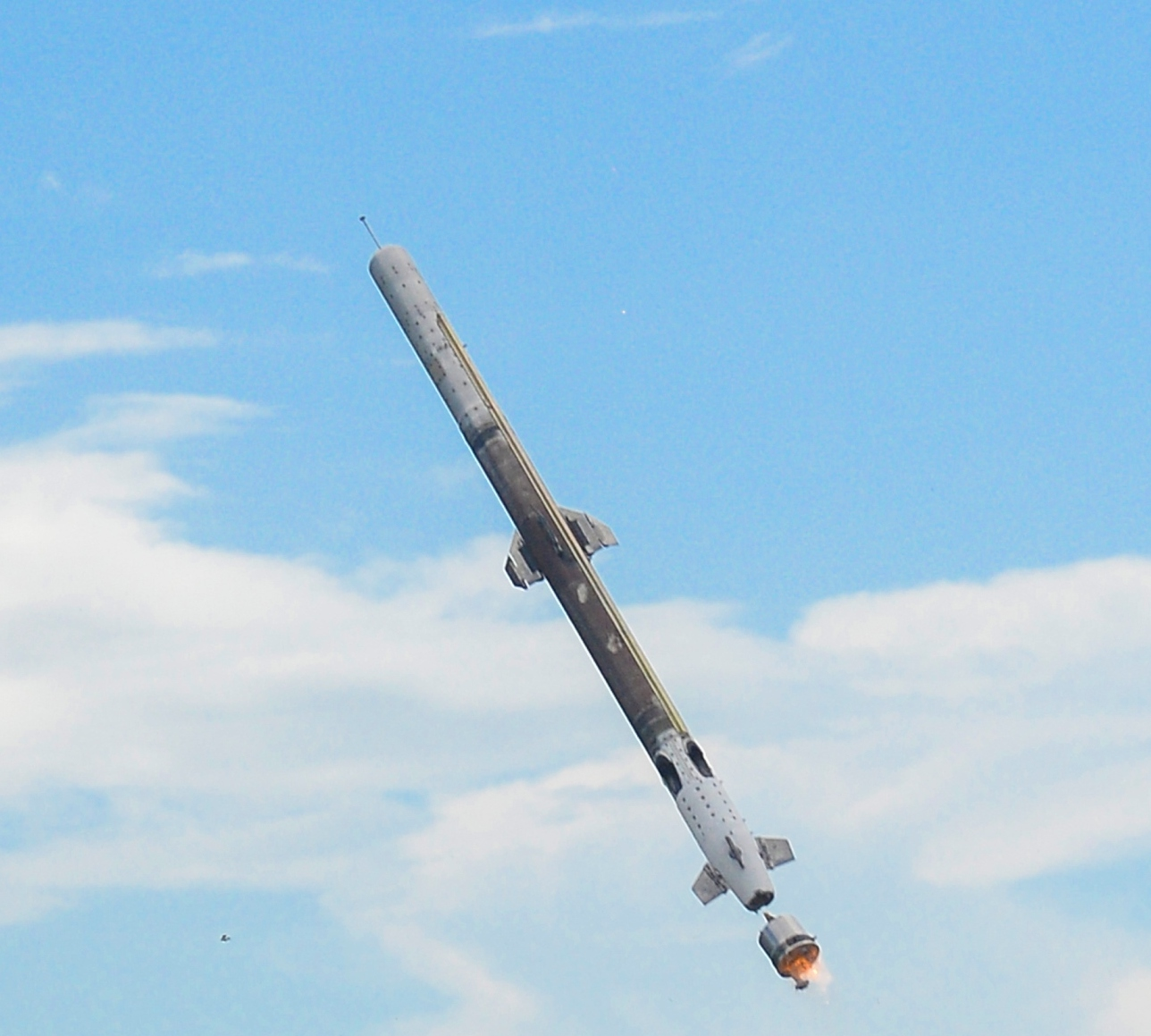
Types of VSHORAD / MANPADS (By Deployment)
VSHORAD / MANPADS are deployed in three main forms: shoulder-fired systems operated by a single soldier for rapid reaction, tripod- or vehicle-mounted variants that offer better stability, optics, and networked targeting, and naval point-defence versions mounted on ships to protect against low-flying aircraft, helicopters, and UAVs.
-
Shoulder-Fired MANPADS
Operated by a single soldier, these systems offer the fastest reaction time and high mobility. They are ideal for frontline units and rapid-response air defence against low-flying threats.
-
Tripod- or Vehicle-Mounted VSHORAD Systems
Mounted on tripods or vehicles, these variants provide greater stability, improved optics, extended engagement capability, and network integration with radars and command systems for enhanced situational awareness.
-
Naval Point Defence (VSHORAD Class)
Ship-mounted short-range air defence systems designed to protect naval vessels from low-altitude aircraft, helicopters, UAVs, and sea-skimming missiles during maritime operations.
Advantages of VSHORAD / MANPADS
-
Rapid Reaction and High Mobility
Designed for quick deployment and immediate response, VSHORAD systems can be rapidly repositioned to counter sudden low-altitude aerial threats on the battlefield.
-
Fire-and-Forget Capability
Most modern variants use autonomous guidance, allowing the operator to relocate immediately after launch, thereby improving survivability and operational effectiveness.
-
Cost-Effective Point Defence
Compared to medium- and long-range air defence systems, VSHORAD missiles provide an economical solution for protecting critical assets and frontline units.
-
High Effectiveness Against Low-Altitude Threats
Highly effective against helicopters, drones, and low-flying aircraft, VSHORAD systems are essential for countering emerging aerial threats in modern warfare.
Limitations of VSHORAD / MANPADS
-
Limited Range and Altitude Coverage
VSHORAD systems have a short engagement range and altitude ceiling, restricting their effectiveness to low-flying aerial threats only.
-
Vulnerability to Countermeasures
Early-generation systems are susceptible to flares and infrared jammers, though modern variants with Imaging Infrared (IIR) seekers significantly reduce this limitation.
-
Weather and Battlefield Clutter Sensitivity
Adverse weather conditions such as fog, rain, dust, or battlefield smoke can degrade seeker performance and reduce target detection accuracy.
-
High Dependence on Operator Skill
Effective engagement requires well-trained operators for correct target identification, lock-on, and launch decisions, especially in complex combat environments.
Conclusion
VSHORAD / MANPADS form the backbone of close-range air defence in modern warfare, offering fast, flexible, and reliable protection against low-altitude threats such as attack helicopters, unmanned aerial systems, and low-flying aircraft. Their high mobility, rapid reaction time, and fire-and-forget capability enable frontline units to respond effectively in dynamic combat environments. As the innermost layer of a layered air defence architecture, VSHORAD systems fill critical coverage gaps left by longer-range systems. With the growing use of drones and precision air attacks, the continued modernization and indigenous development of VSHORAD / MANPADS remain essential for ensuring airspace security, battlefield survivability, and overall operational superiority. For more information about missiles visit Education Masters.
सरकारी नौकरियों, जीके अपडेट्स और करेंट अफेयर्स की ताज़ा जानकारी सबसे पहले पाने के लिए:

.jpg)




.png)
.png)
.png)
.jpg)
.jpg)